
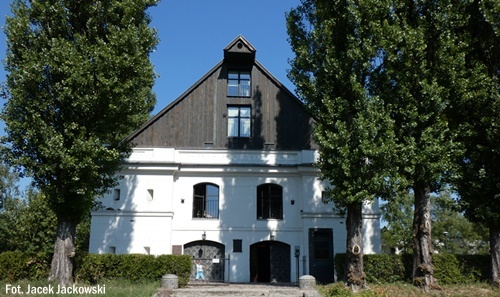
The Ethnographic Museum in Toruń. Archives of the Folklore department
Archiwum Działu Folkloru Muzeum Etnograficznego w Toruniu.
Muzeum Etnograficzne im. Marii Znamierowskiej-Prufferowej w Toruniu
Wały gen. Sikorskiego 19, 87-100 Toruń
etnomuzeum.pl
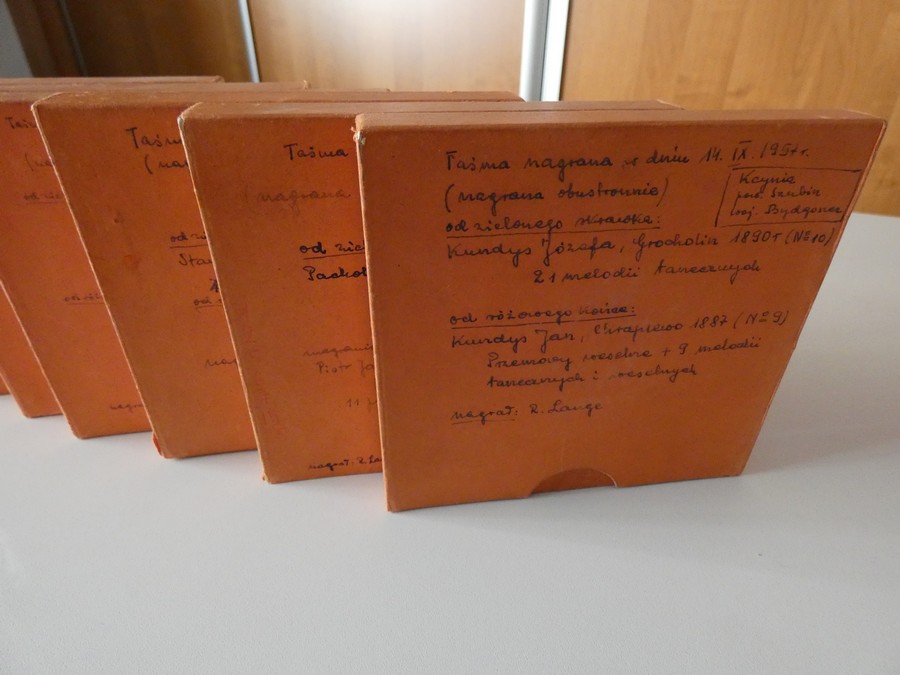
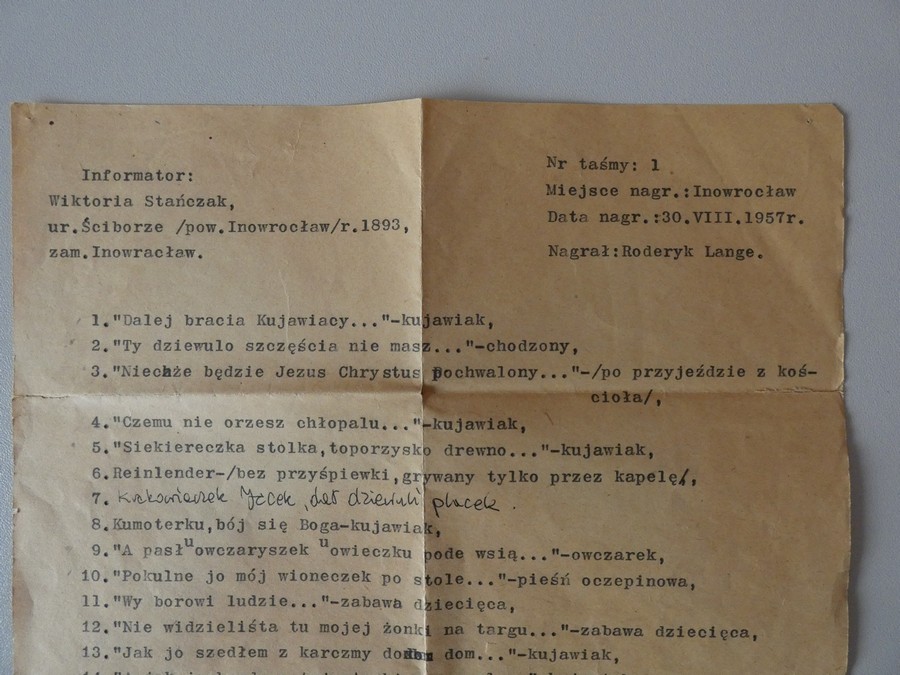
The Folklore Department of the City Museum in Toruń started its archiving works, focused especially on folk dance material in 1954 (after a few years the Department of Folk Dance has been created in the Ethnographic Museum in Toruń). Dance melodies have been recorded on magnetic reel tapes, and catalogs and music transcripts has been made the way Jadwiga and Marian Sobiescy had intended. Museum’s documentation was an „echo” of a local Akcja Zbierania Folkloru Muzycznego, influenced heavily by Sobiescy’s achievements and experiances. The work resulted in reactivation of some bands that had stopped working because of cultural changes in the village. Recordings kept in the Archives of the Folklore Department in Toruń have been made between 50s and 80s by Roderyk Lange (from 1957 to early 60s), Ewa Arszyńska, Krystyna Pospiech-Tubaj (the 60s), Jan Oleksy and others.
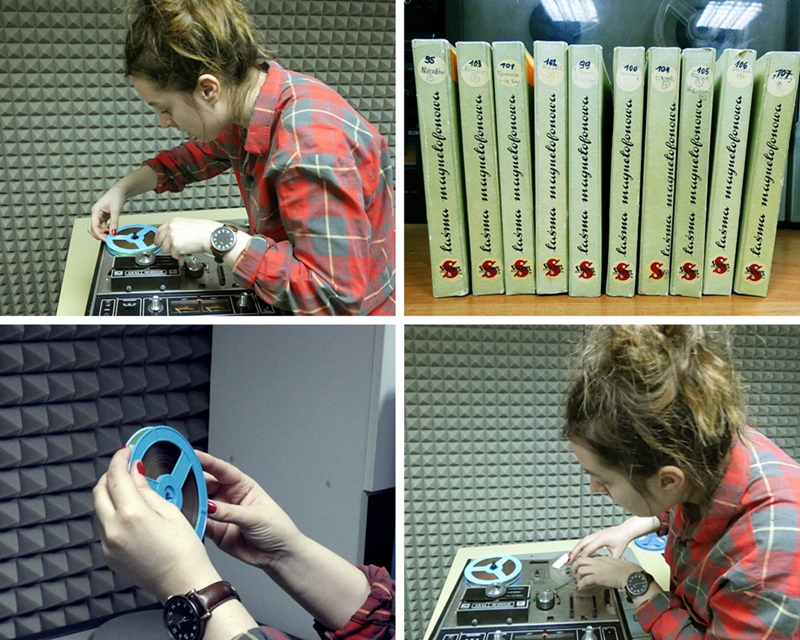
An unquestionable asset of the collection is its authenticity. The material have been gathered mainly in Kujawy i Pałuki and it can tell us a lot about the musical and spiritual elements of culture (traditions and ceremonies, and also interviews with artists and craftsmen). A part of the collection has been brought to daylight thanks to the museum’s publisher Folk music from Kujawy i Paułki: „The performers are often authentic country musicians and singers with a mediocre musical skill. Their everyday life was built not around music, but householding. Musicians were chosen not based on their skill but on the knowledge of old songs. That’s why the recordings may sound a bit rough, even archaic, for a contemporary listener. […] The release of those recordings is very importat nonetheless, because it shows us folk musical culture in a less idolized, more authentic way, better than most of cherry-picked, most talented village artists perforamnces do” – writes Agnieszka Kostrzewa in a commentary to the CD album.The oldest generation of performers, whose voices and music have been immortalized on the recordings, traces back to the last decades of XIX century. In the museum’s collection we can also find interviews with folk artists and documentation of museum’s events, folk bands performances (e.g. International Meetings of Folk Bands from 80s and 90s). There are about 2000 recordings in total in the collection, saved on 106 reel magnetic tapes and 100 audio cassetes. They are a valuable suplements to the exhibitons (they are used as soudtracks to some exhibits) and lessons. The museum owns reel magnetic tapes with the auditions from Pomorze and Kujawy Radio from 1952-1974 (770 tapes) as well. The collection has been digitalized and worked with since 2018 within the Polish folk music – phonographic heritage project.
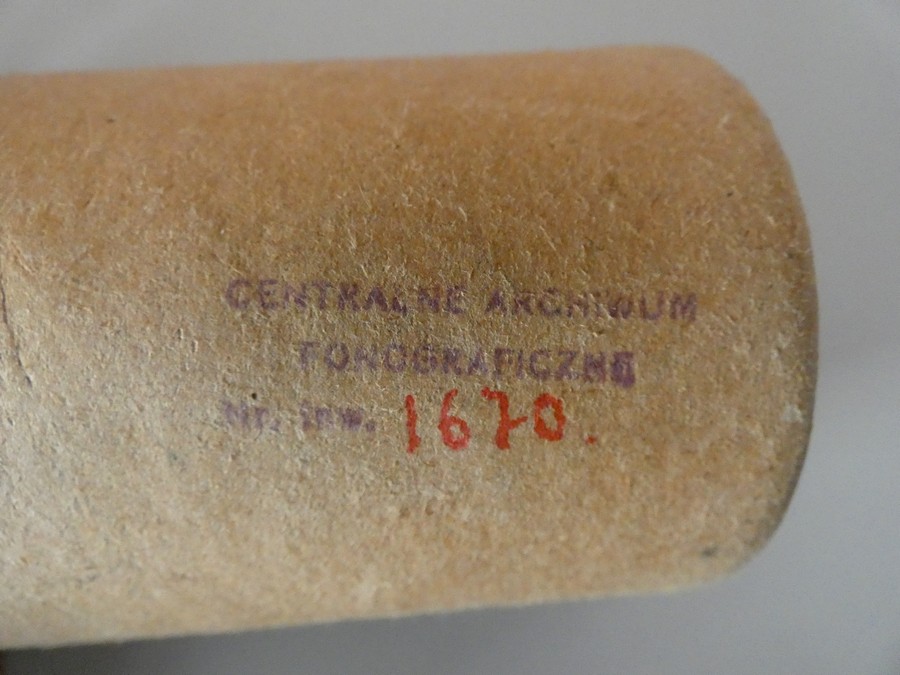
In 2018 some rare items joined the collection– pre-war recordings on Edison wax cylinders that came from the Central Phonogram Archives (CPA). All the CPA recordings had been believed to be lost, but in 2018 Ethnographic Museum in Toruń recieved, from a privat owner, three cylinders from this very collection. The carriers has been saved because their author – Bonifacy Zielonka, CAF’s regional co-worker of that time – didn’t manage to send them to CAF before the start of world war II. That’s why they are probably the only remaining phonogram documentation from this great collection. The cylinders could be restored and digitalized because of Museum’s cooperation with the Polish folk music – phonographic heritage project. Descripting and identifying the recorded mterial is currently in progress.



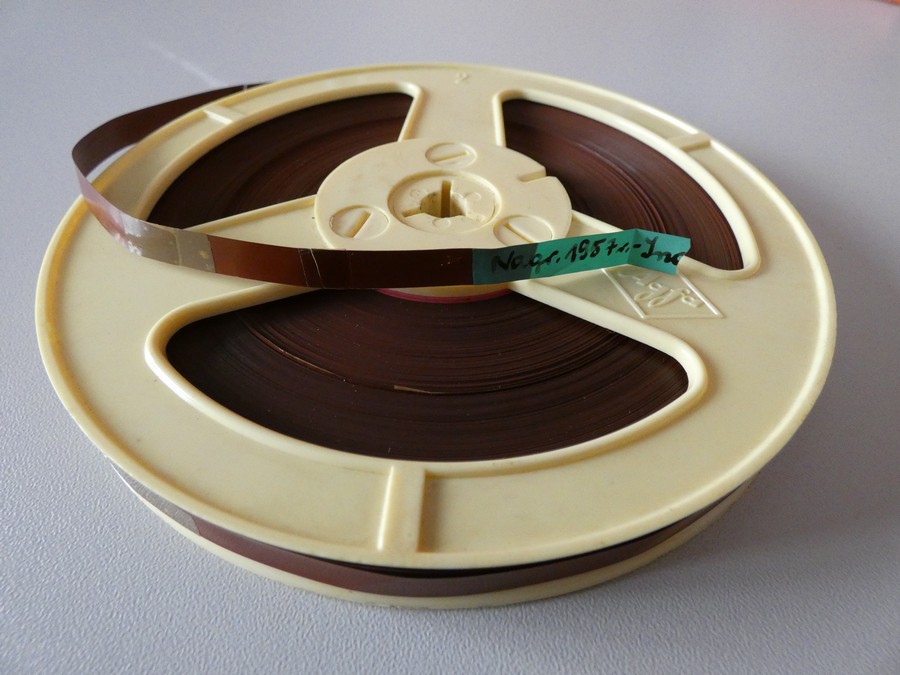
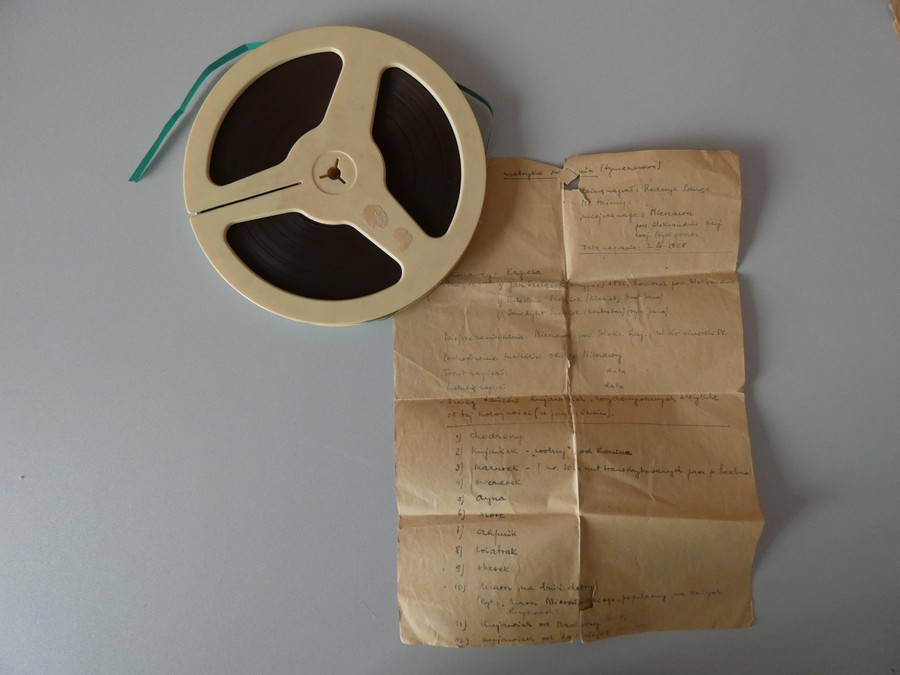
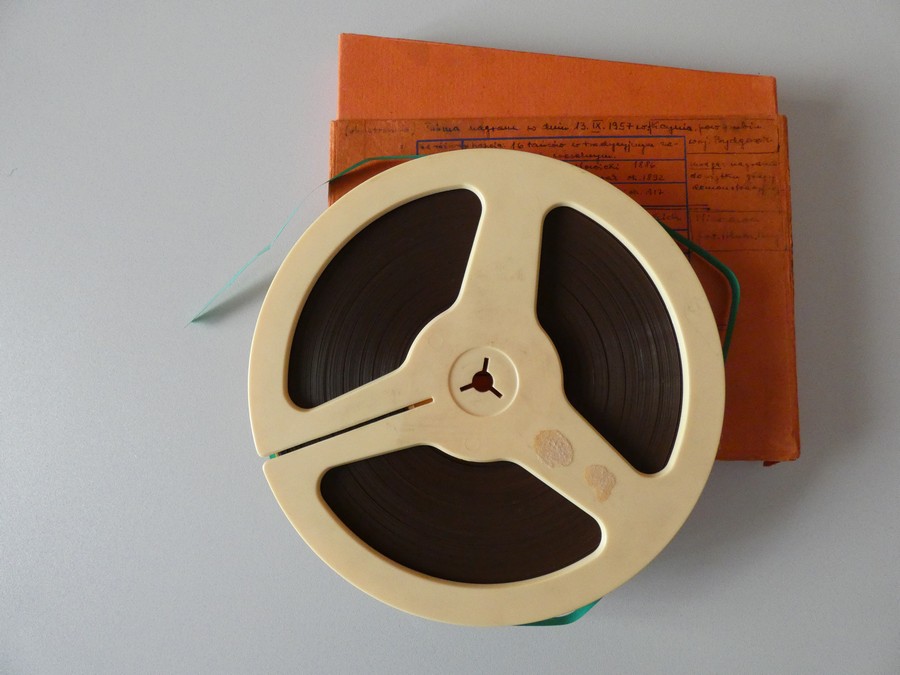
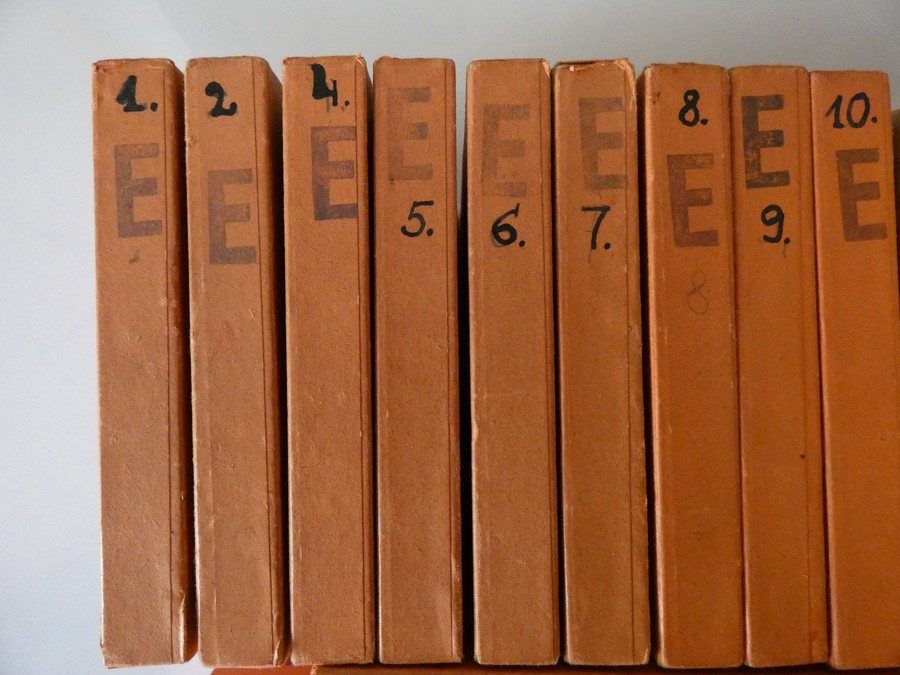

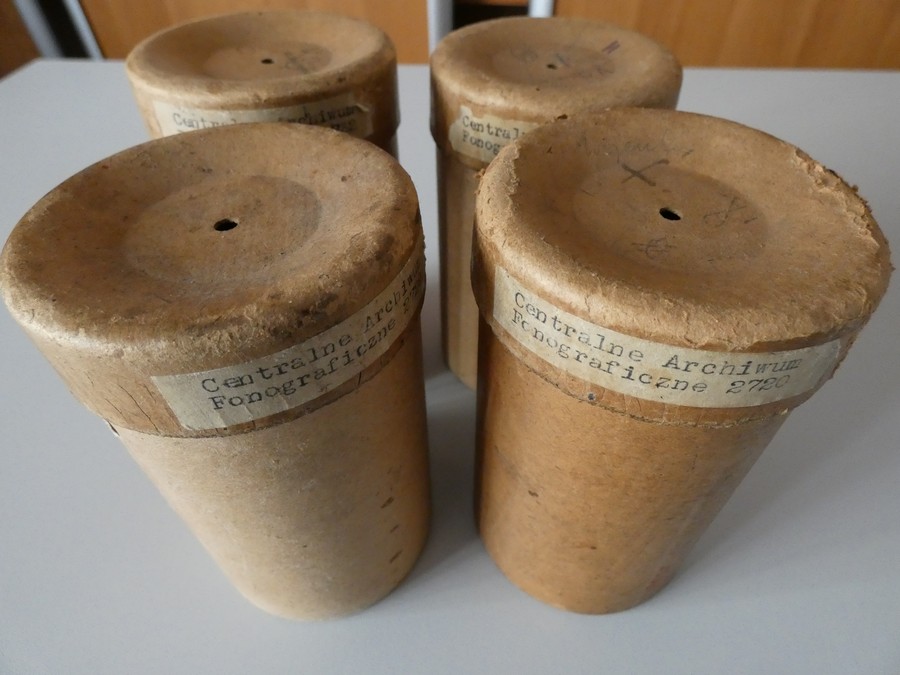
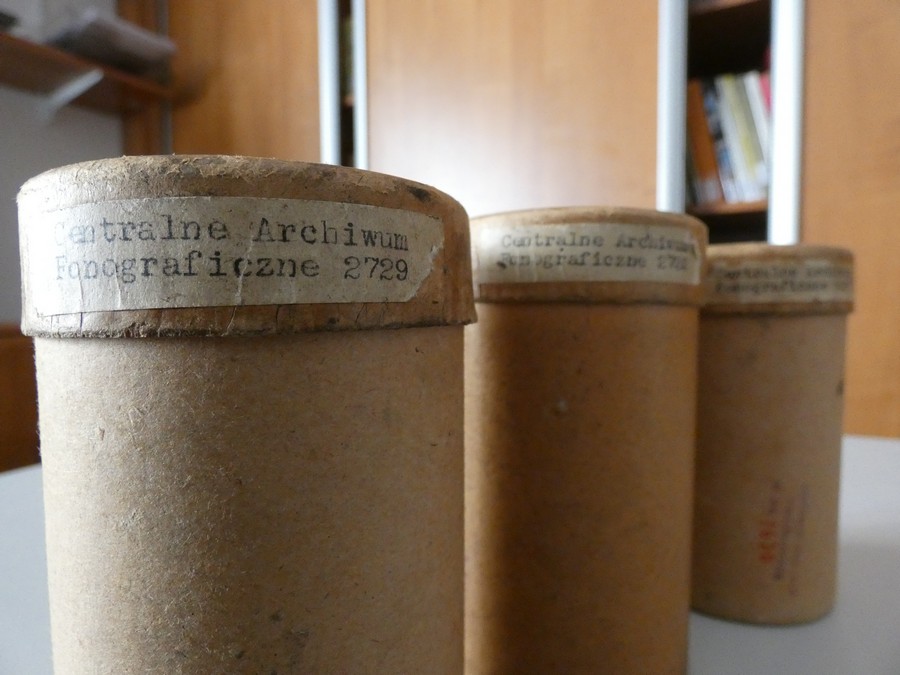
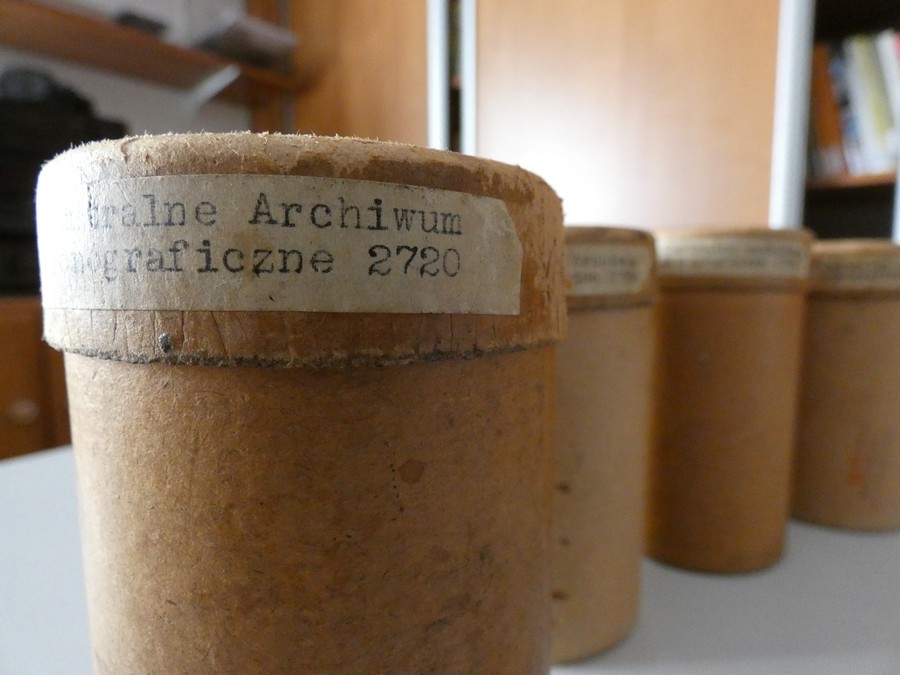

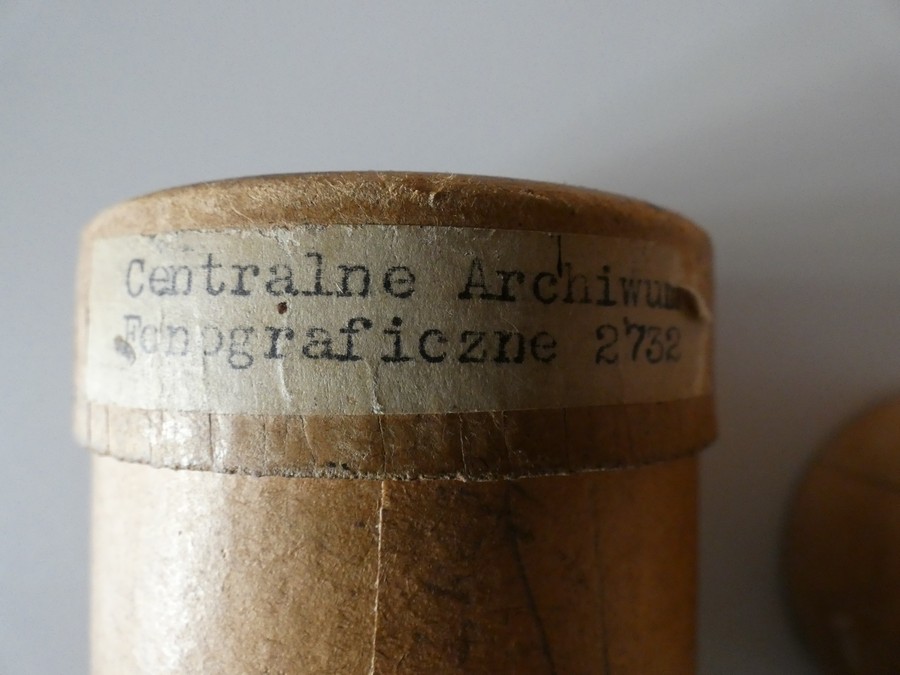


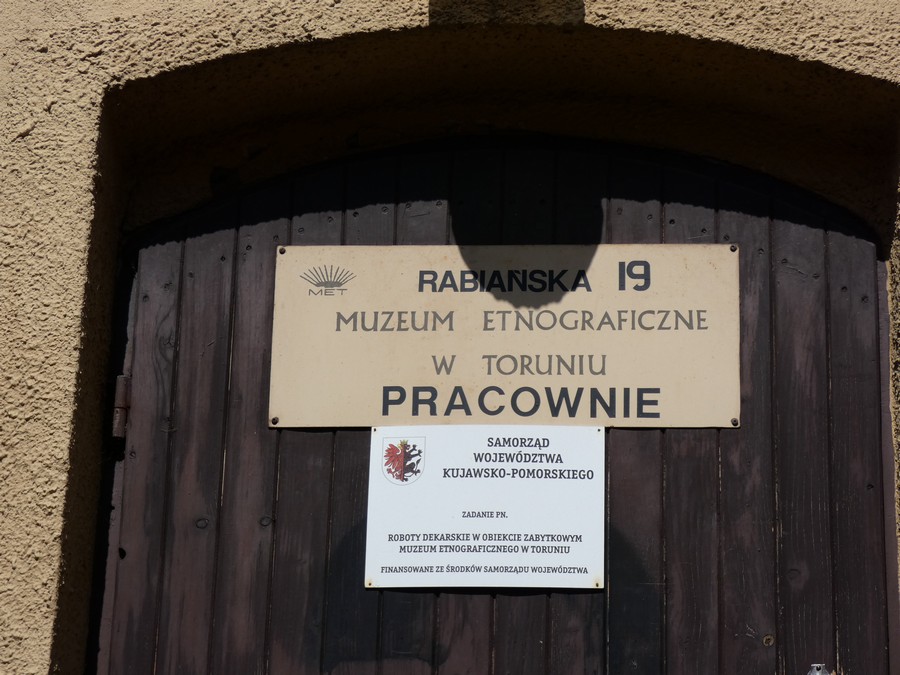
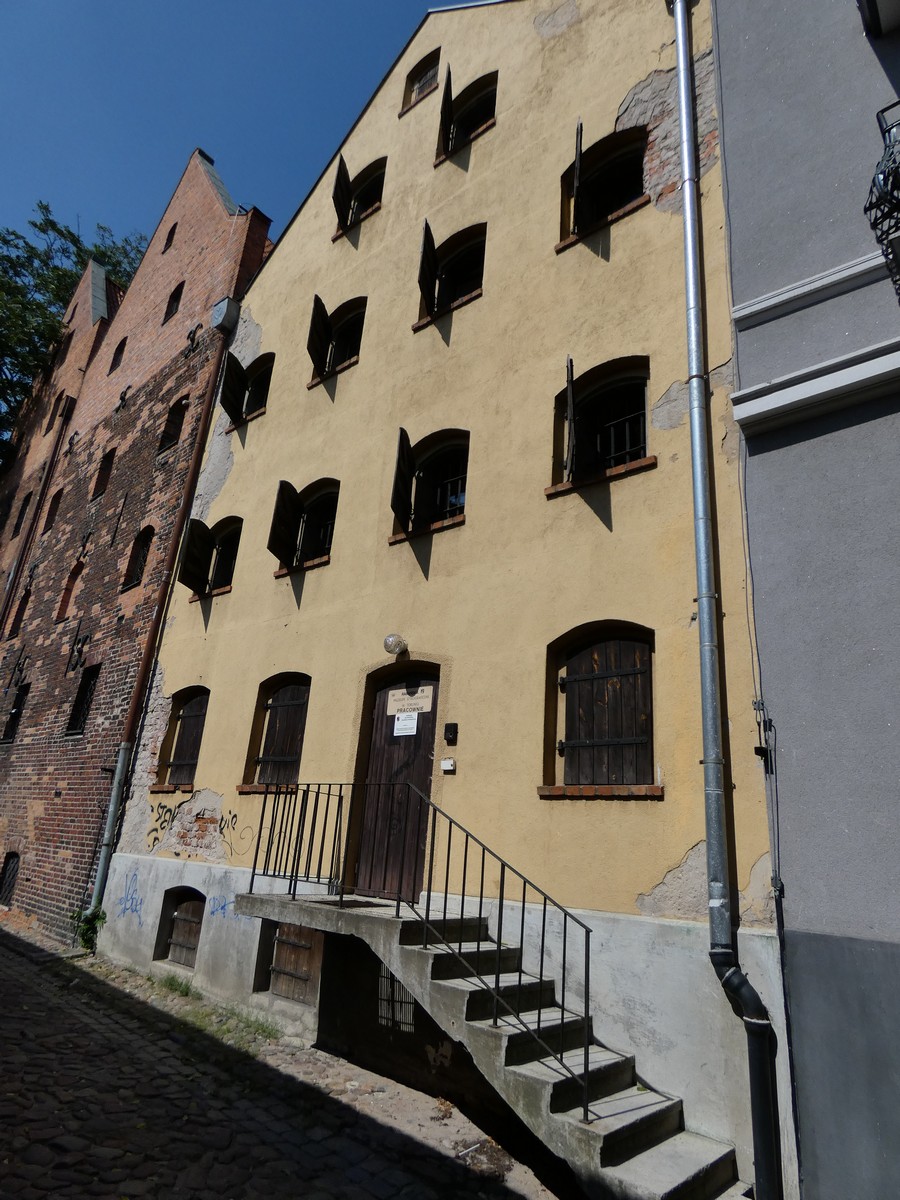
The documentation of the Archives of the Folklore Department in the Ethnographic Museum in Toruń within the Polish folk music – phonographic heritage project has been digitalized and developed by Angelika Fierka, Kamila Pozimka and Magdalena Jackowska.
Zob. także:
Jacek Jackowski, Archiwa dźwiękowe – zasób i dostępność, w: Raport o stanie tradycyjnej kultury muzycznej, red. Weronika Grozdew-Kołacińska. Warszawa 2014: Instytut Muzyki i Tańca, s. 135-136.
Kinga Strycharz-Bogacz, Ksiądz Bolesław Bartkowski i prof. Antoni Zoła jako prekursorzy badań etnomuzykologicznych nad żywą tradycją śpiewów religijnych w Polsce, w: Tradycje ludowe w kulturze muzycznej: zachowanie dziedzictwa – inspiracje – przeobrażenia, red.: B. Bodziach, T. Rokosz, K. Strycharz-Bogacz. Lublin 2019: Towarzystwo Naukowe KUL, s. 19-31.
Tomasz Rokosz, The Archive of Music Religious Folklore at the Institute of Musicology of the John Paul II Catholic University of Lublin (KUL) in the Context of Methodology of Field Research Conducted in the Department of Ethnomusicology and Hymnology of KUL – the Past and the Present, w: Tradycje ludowe w kulturze muzycznej: zachowanie dziedzictwa – inspiracje – przeobrażenia, red.: B. Bodziach, T. Rokosz, K. Strycharz-Bogacz. Lublin 2019: Towarzystwo Naukowe KUL, s. 33-51.
Agnieszka Kostrzewa, Nieznane wałki Centralnego Archiwum Fonograficznego w Warszawie. Historia czterech nośników w świetle archiwaliów przechowywanych w Muzeum Etnograficznym w Toruniu, w: Polska muzyka tradycyjna – dziedzictwo fonograficzne. Stan aktualny, zachowanie, udostępnianie, Instytut Sztuki Polskiej Akademii Nauk, Stowarzyszenie Liber Pro Arte, Tom II, Warszawa 2019, s. 91-107.