Kolbuszowa Museum’s collection
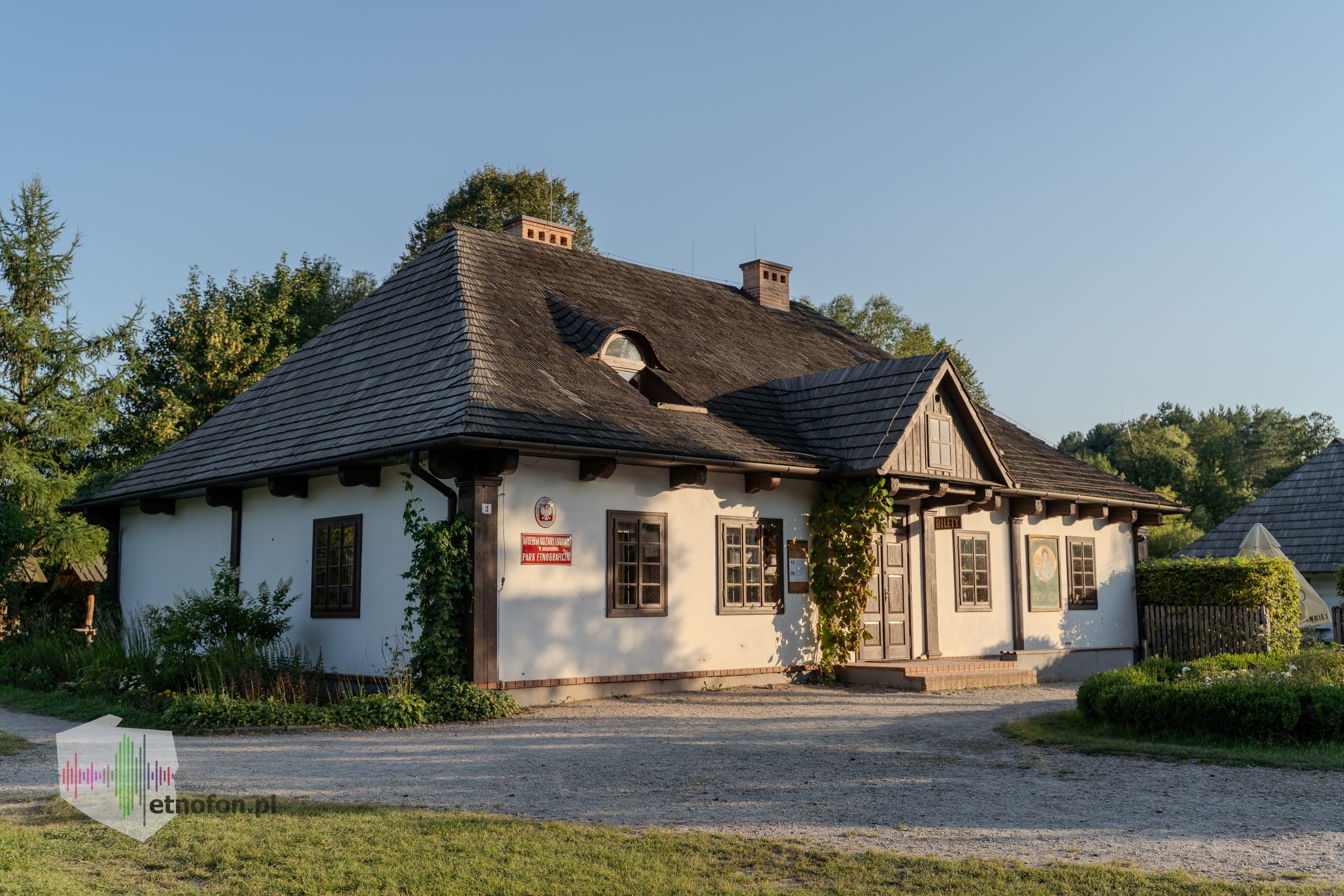
Muzeum Kultury Ludowej w Kolbuszowej
ul. Kościuszki 6, 36-100 Kolbuszowa
www.muzeumkolbuszowa.pl
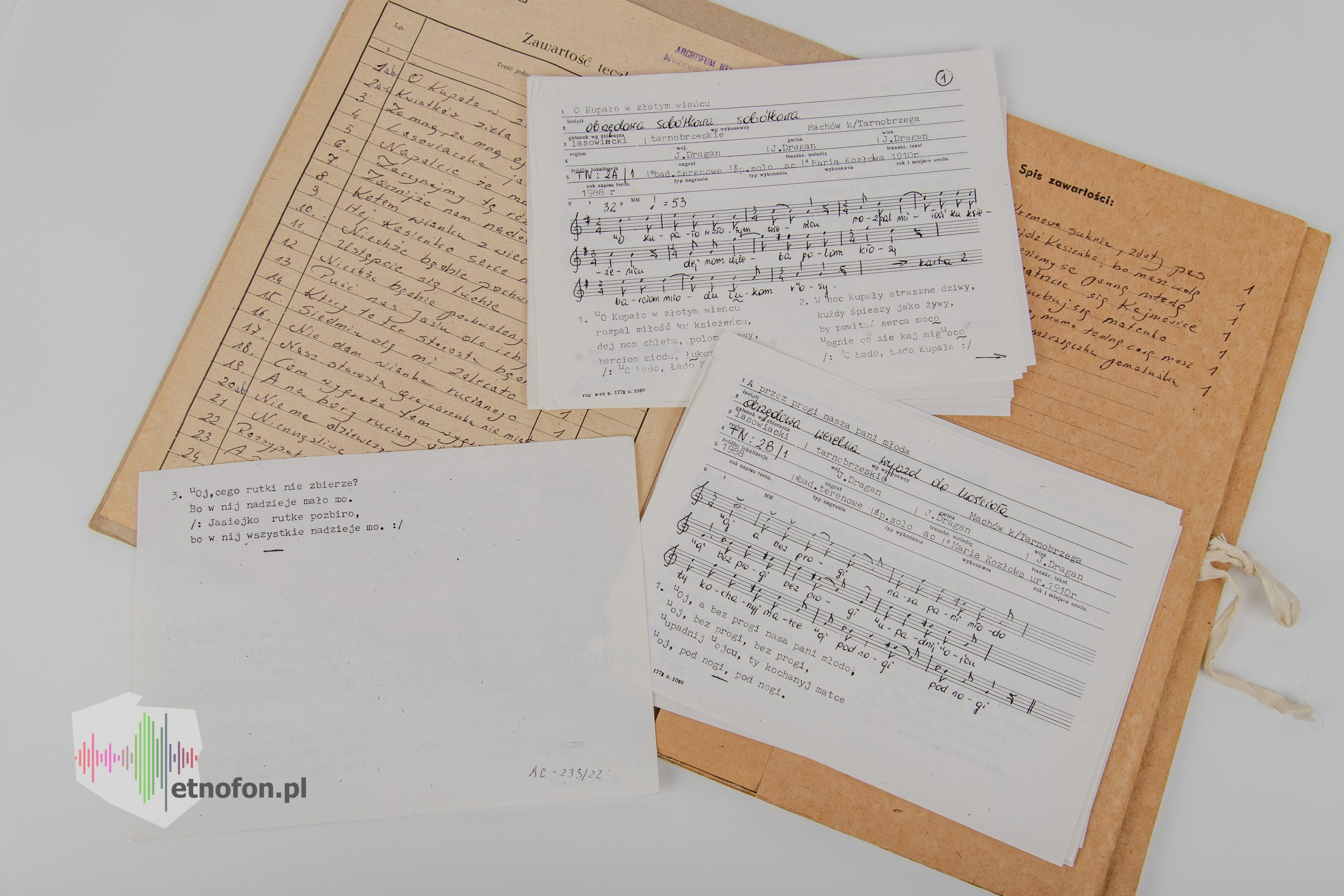
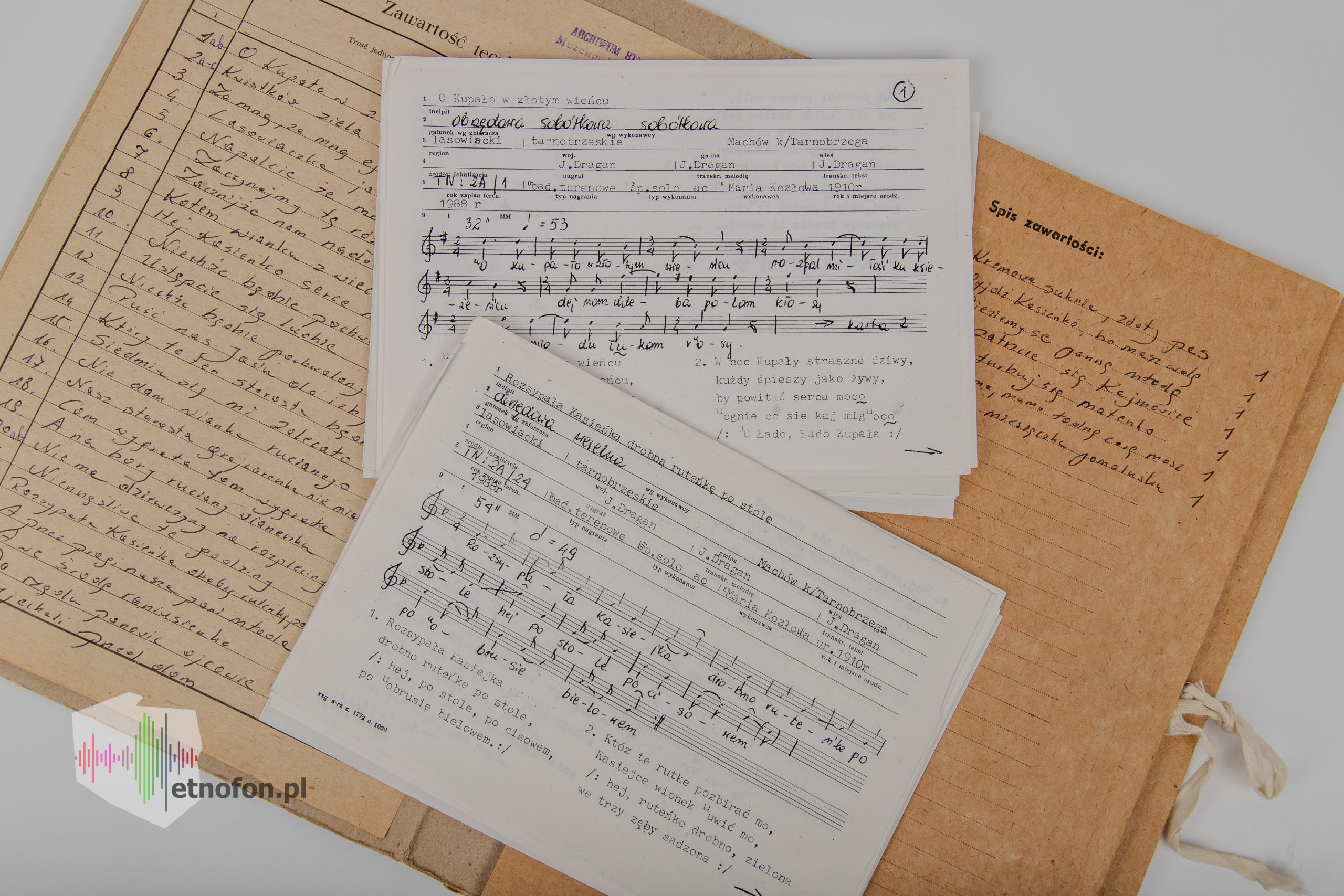
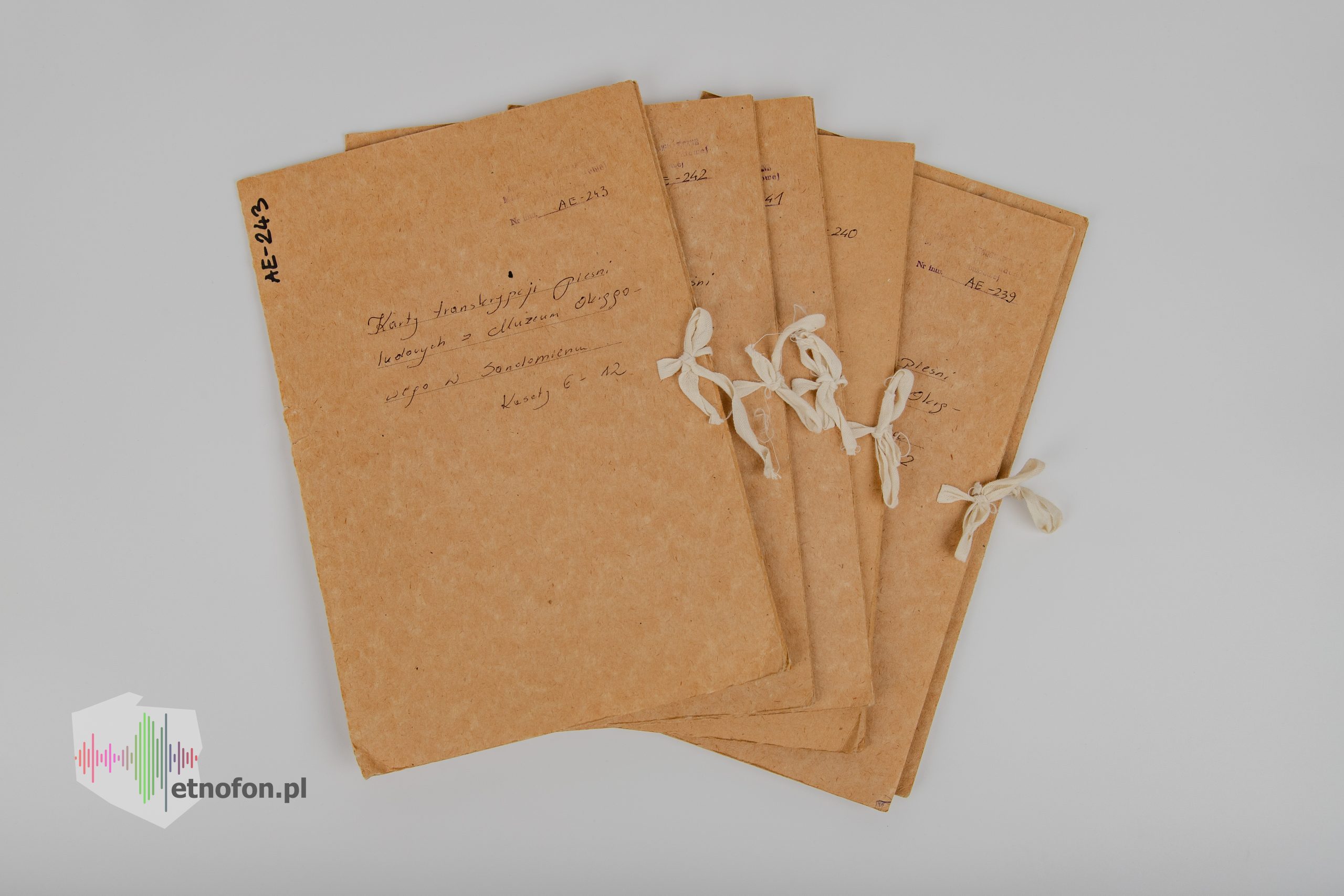
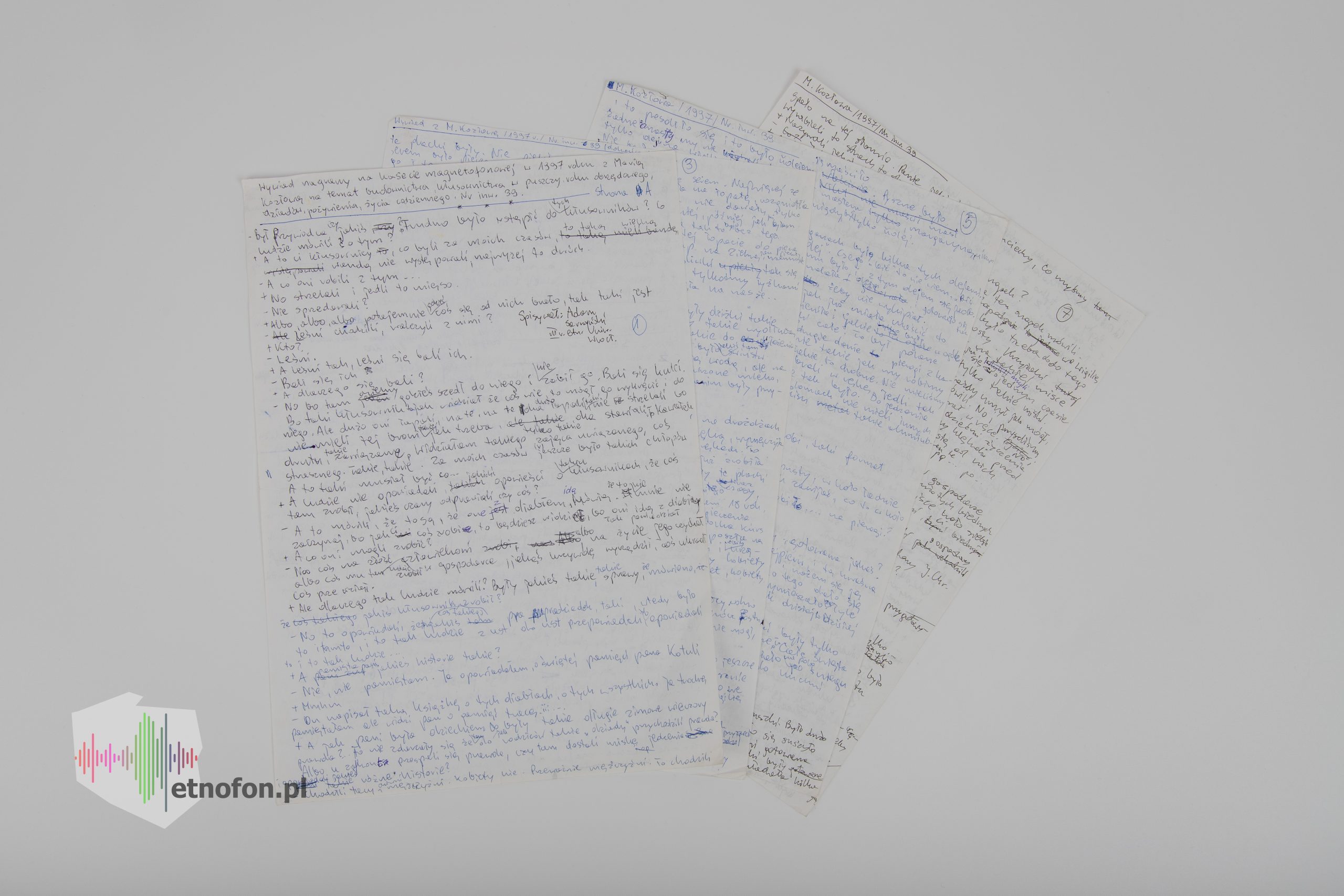
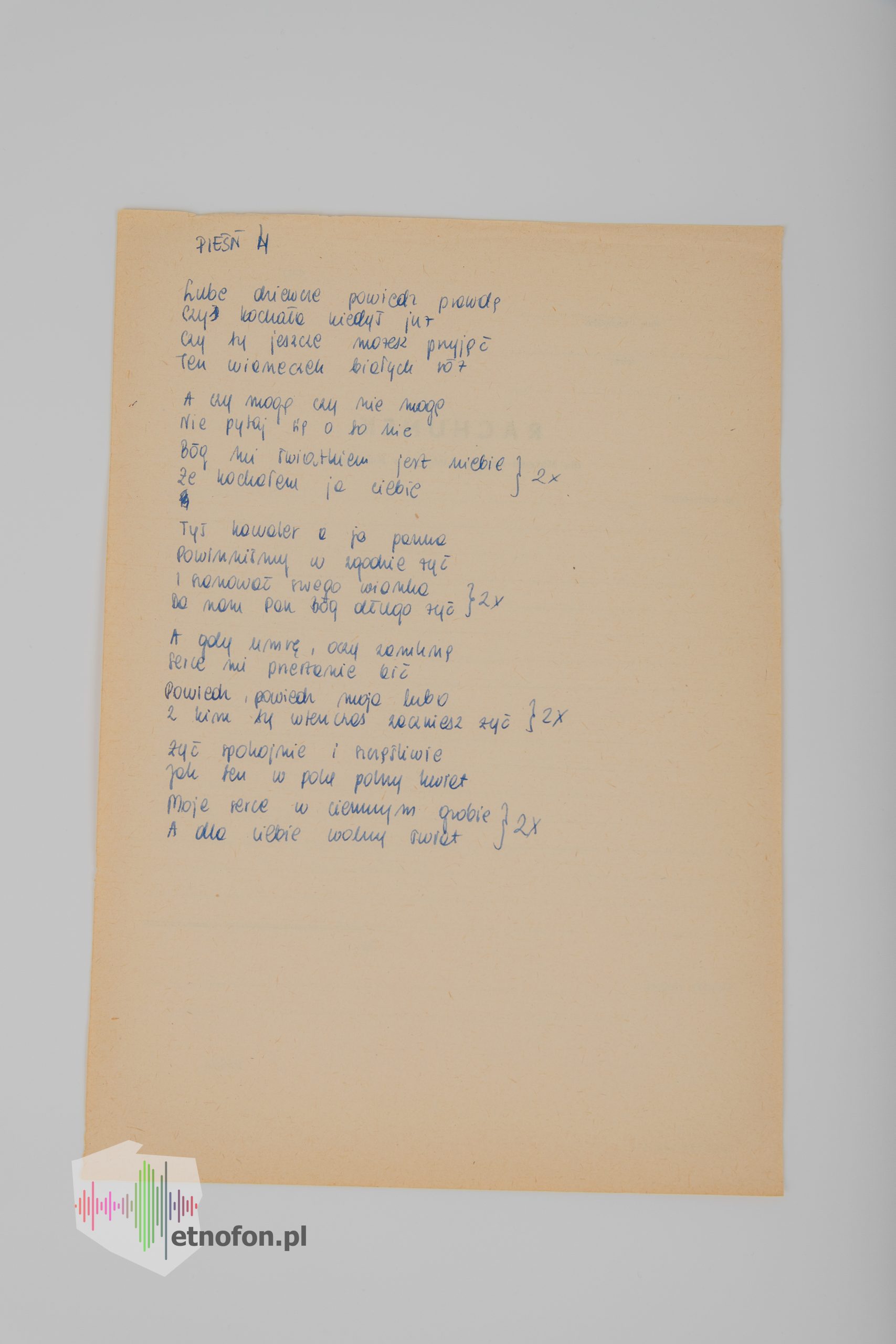
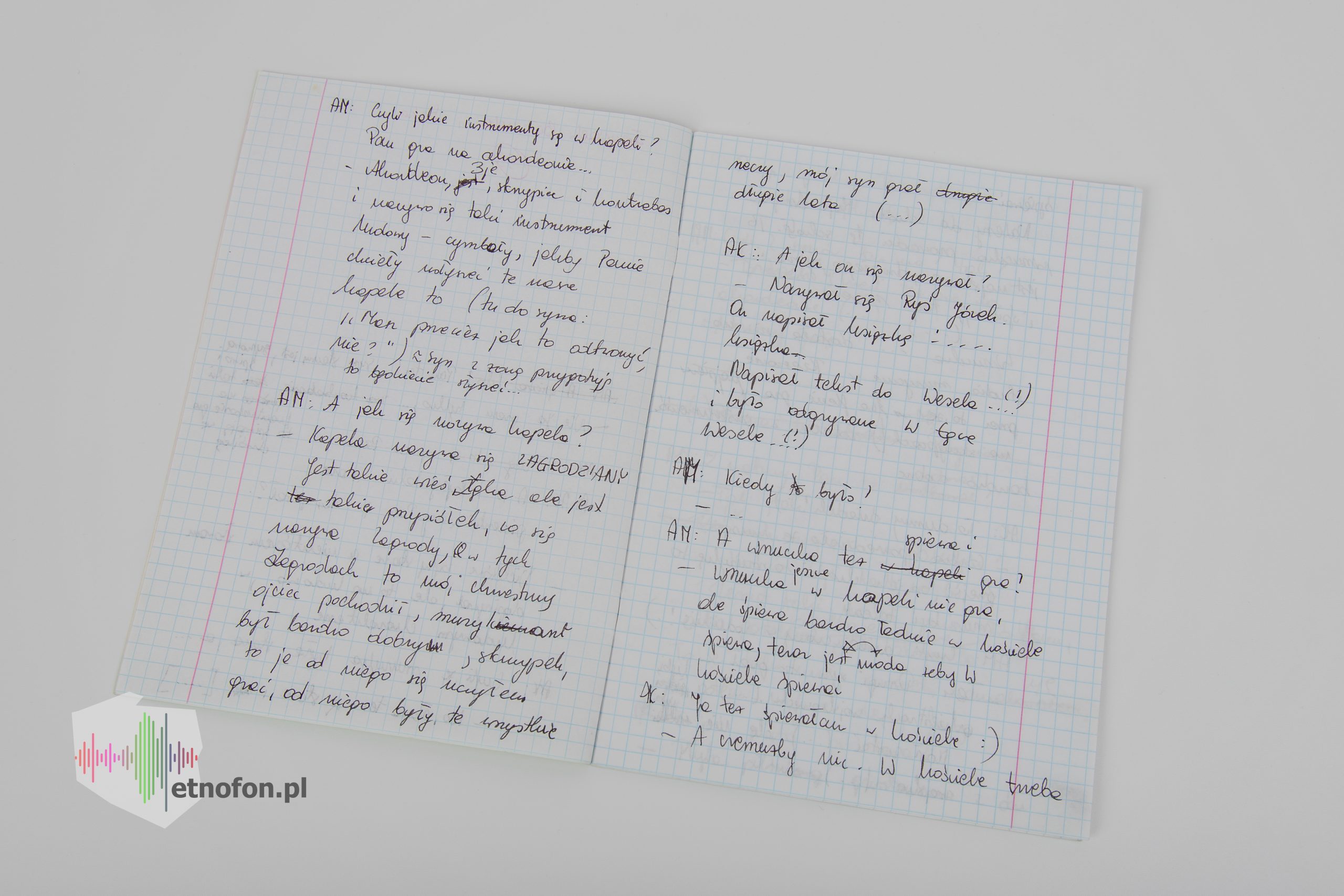
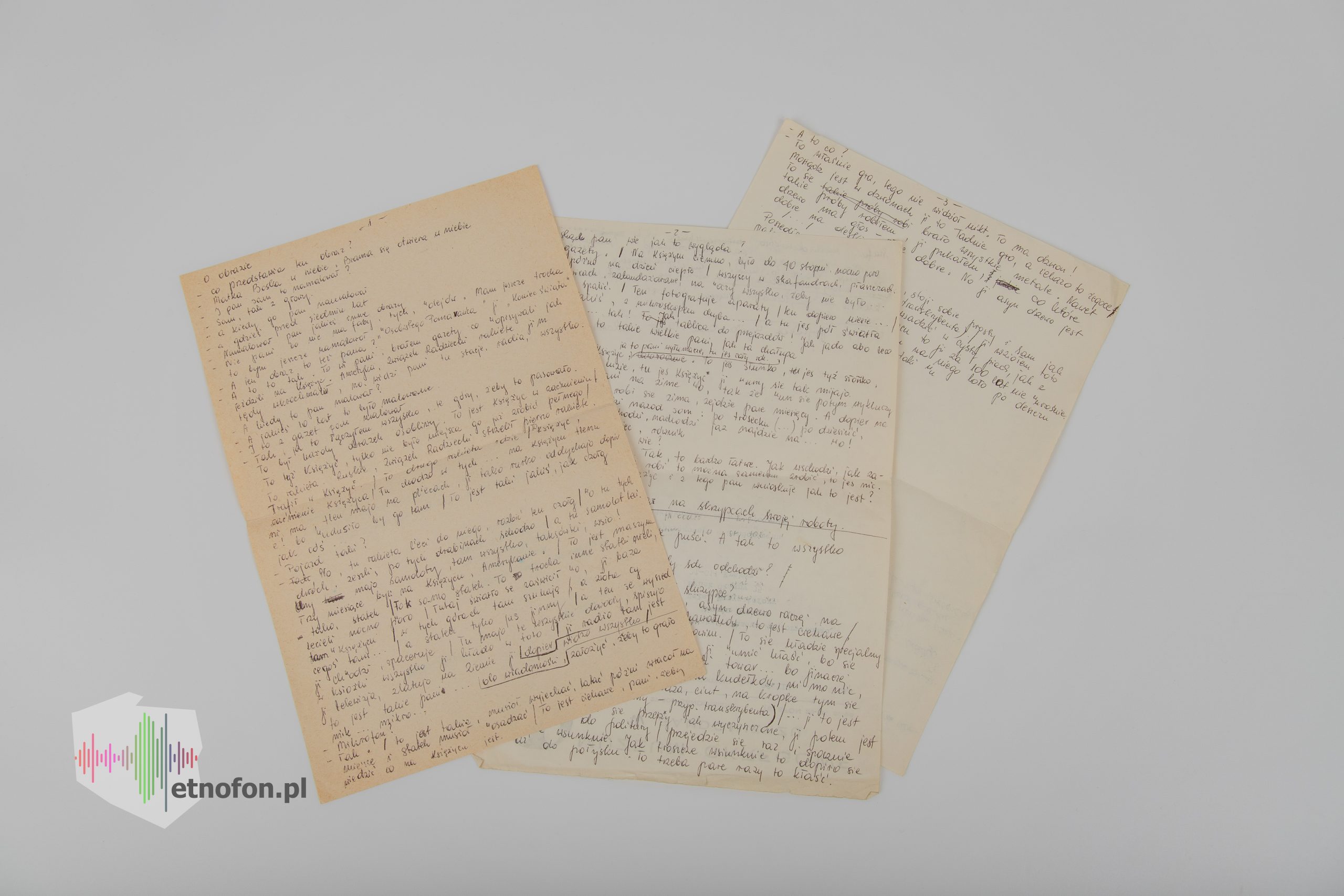
The Museum of Folk Culture in Kolbuszowa was founded in 1959 as a communal Regional Museum. It was nationalized in 1972 and has been operating with the current name as an open-air (skansen) museum since 1974. Research activity has been an important part of the museum’s work since its very beginnings. Audiovisual recordings the institution has been collecting since the 70s, are part of still expanding Scientific Archive. It needs to be stressed that on many files there are informants and folk artists no longer living – in many cases a tape in museum archive is the only thing documenting their activity.
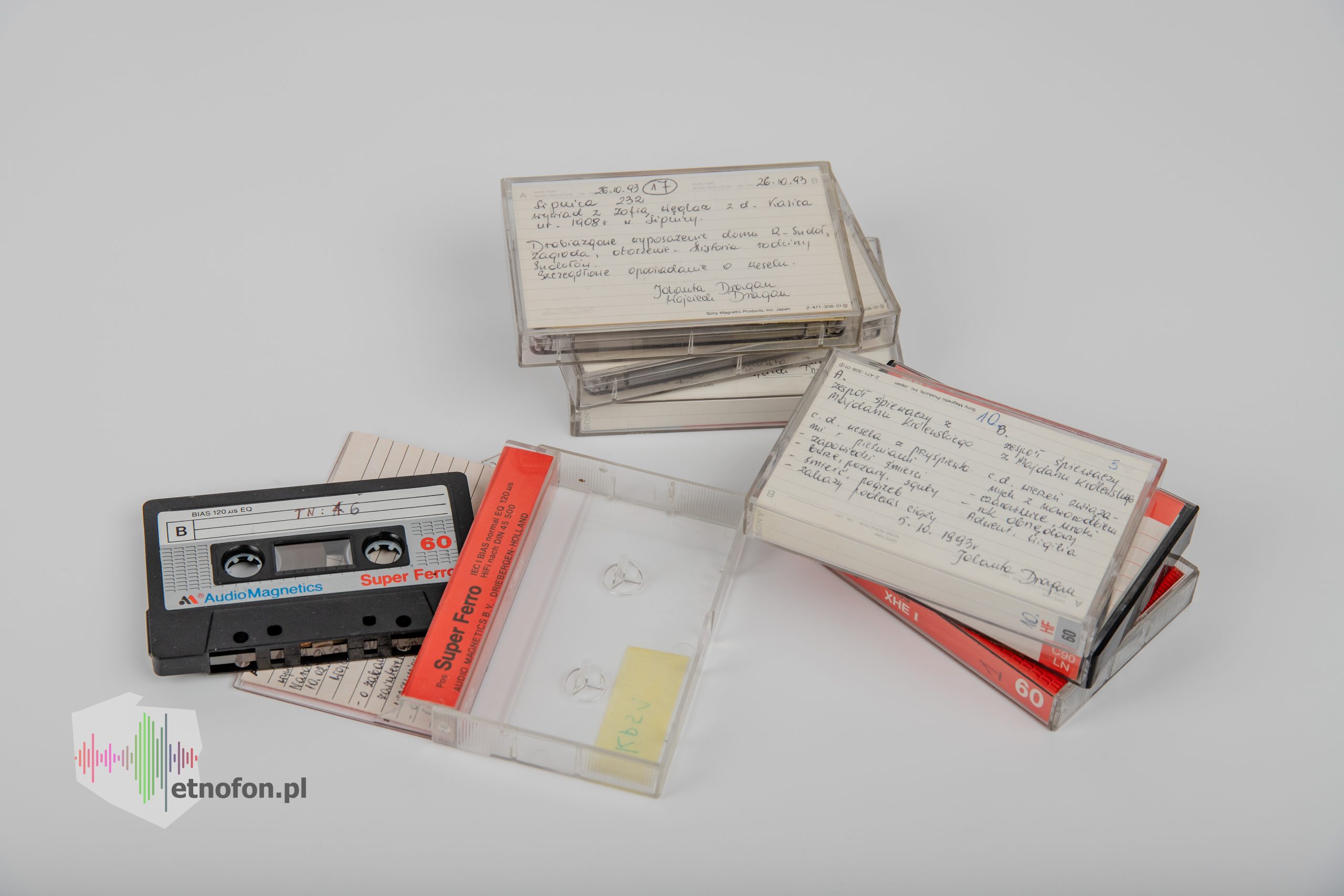
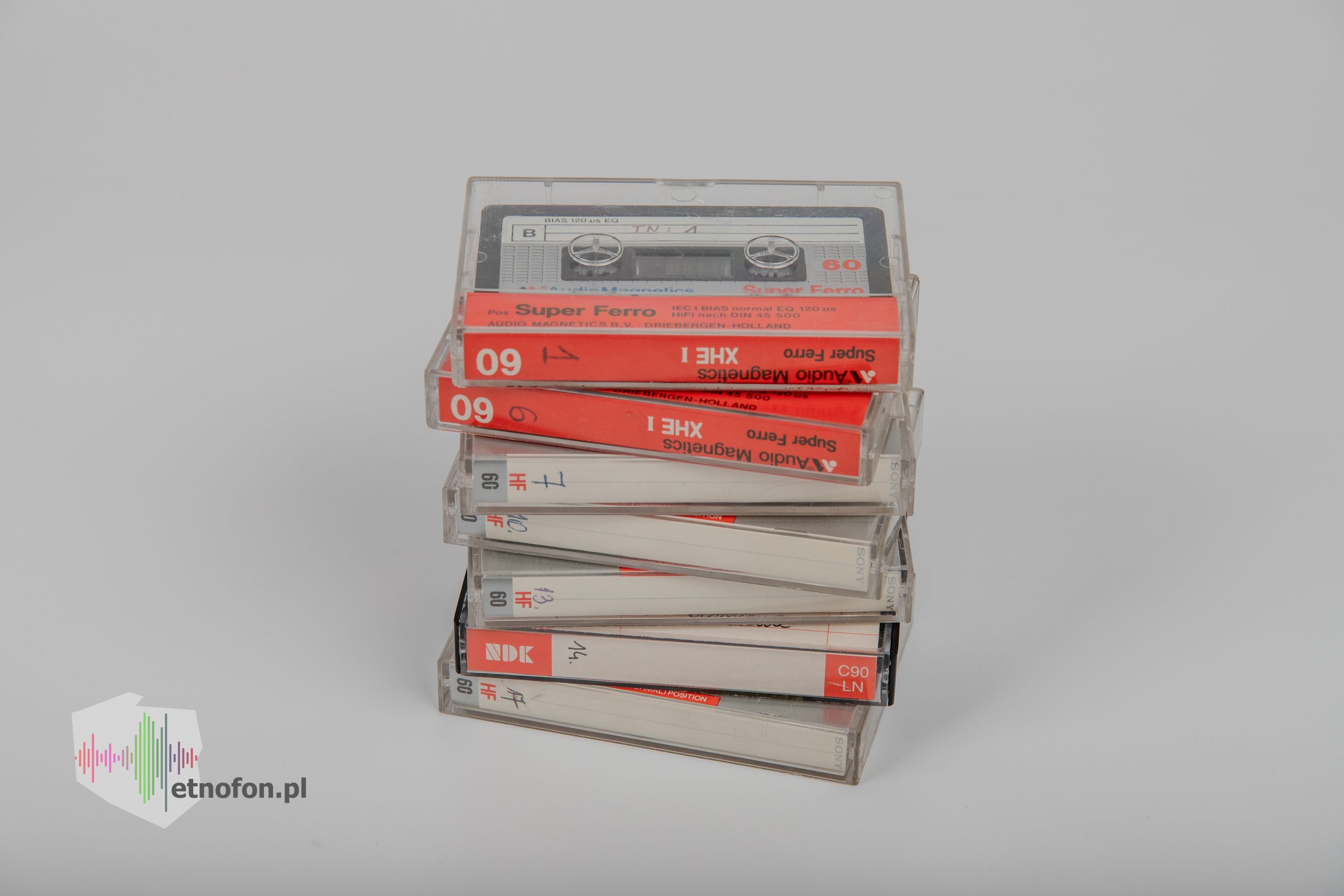
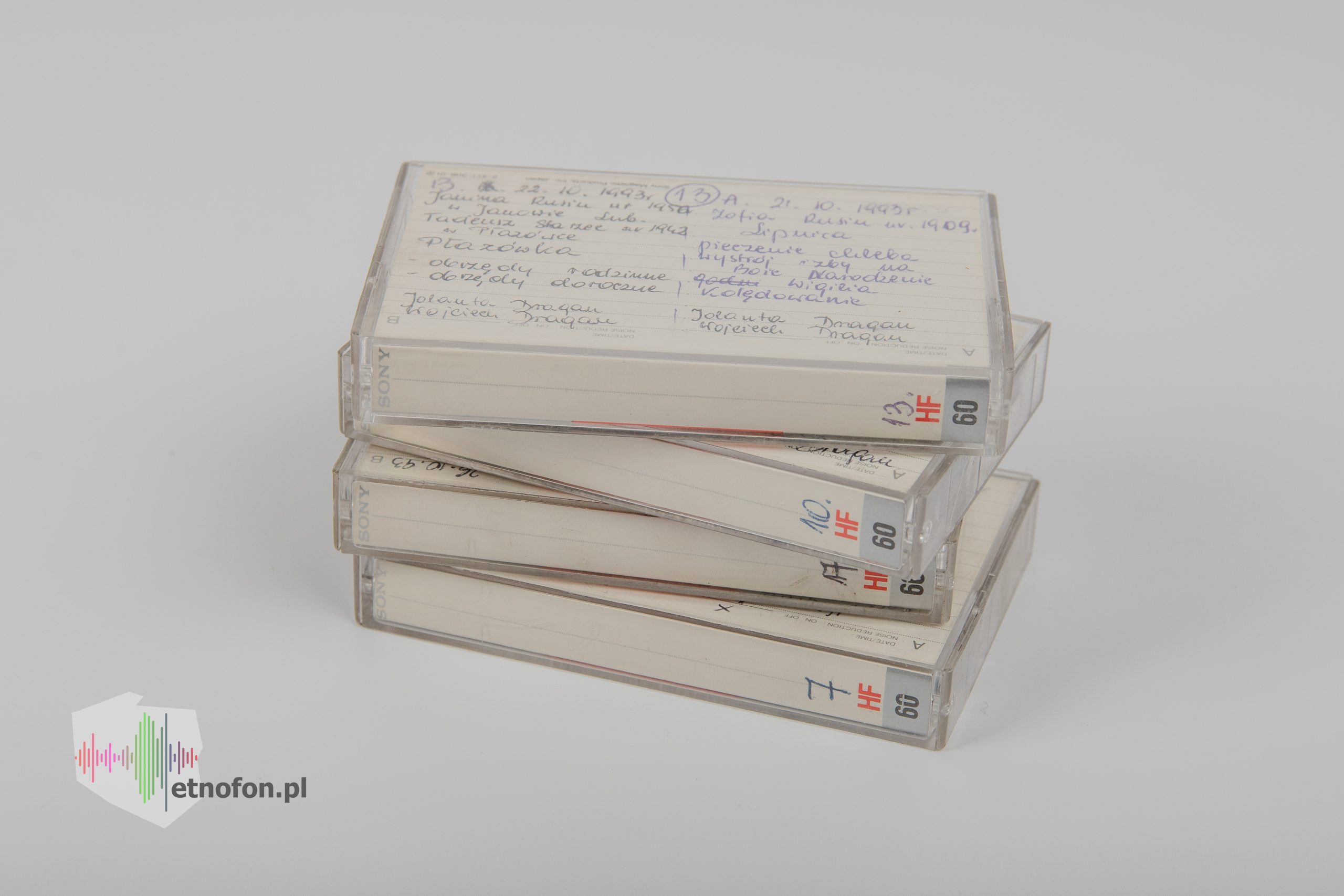
The Archive of Casette Tapes (recorded tapes – MKL-TN), currently being a closed unit, contains 70 casette tapes with c. 90 hours of sound records. Around 80% of this material is different types of folklore. Audio recordings contain, first of all, field interviews from the area of Folk Culture Museum’s interest – ethnographic groups: Laskowian and Rzeszowian area (former Puszcza Sandomierska [Sandomierz Forest], as well as the surrounding area of Rzeszów, Łańcut and Przeworsk), rarely neighbouring areas, i.a. Janów region.
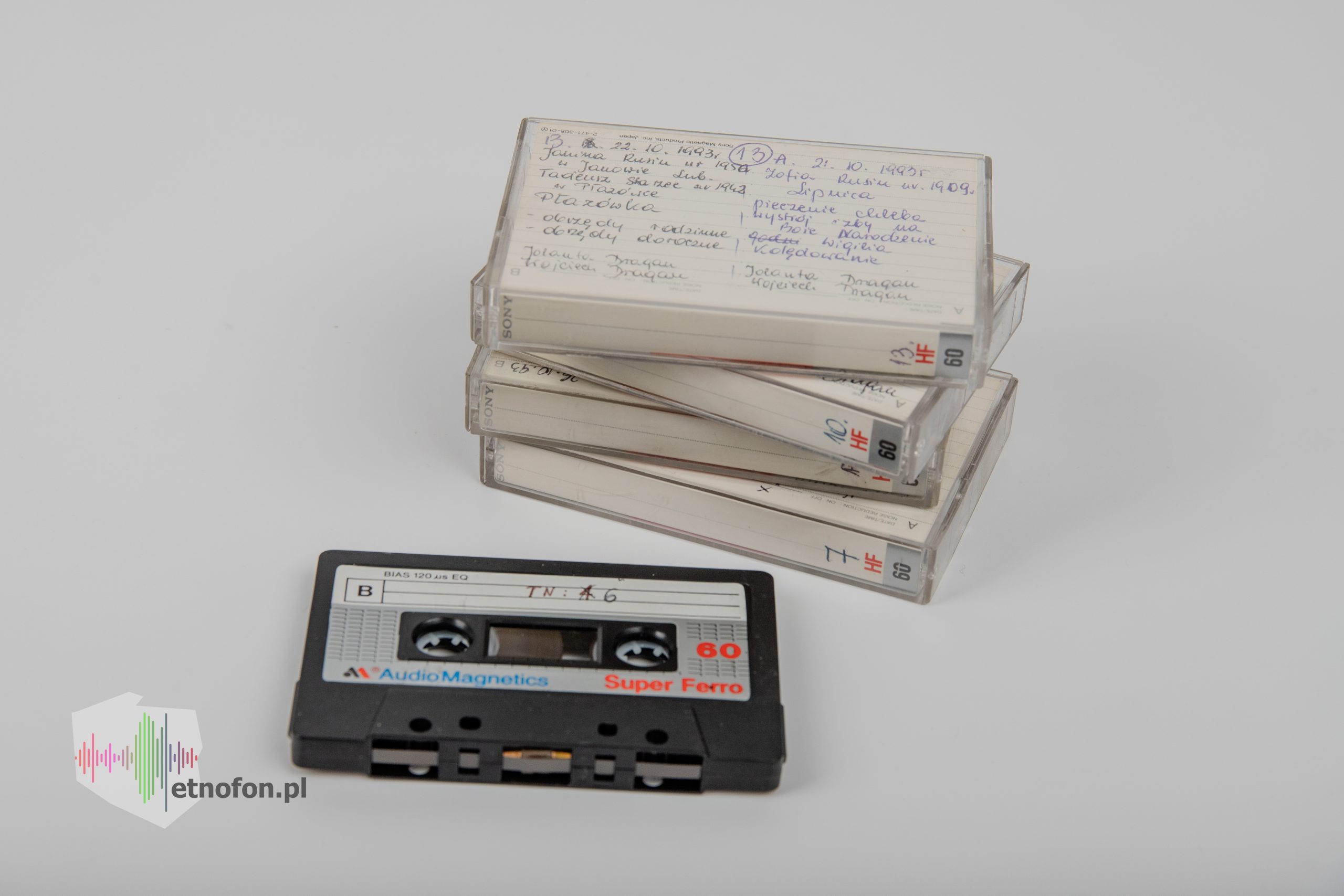
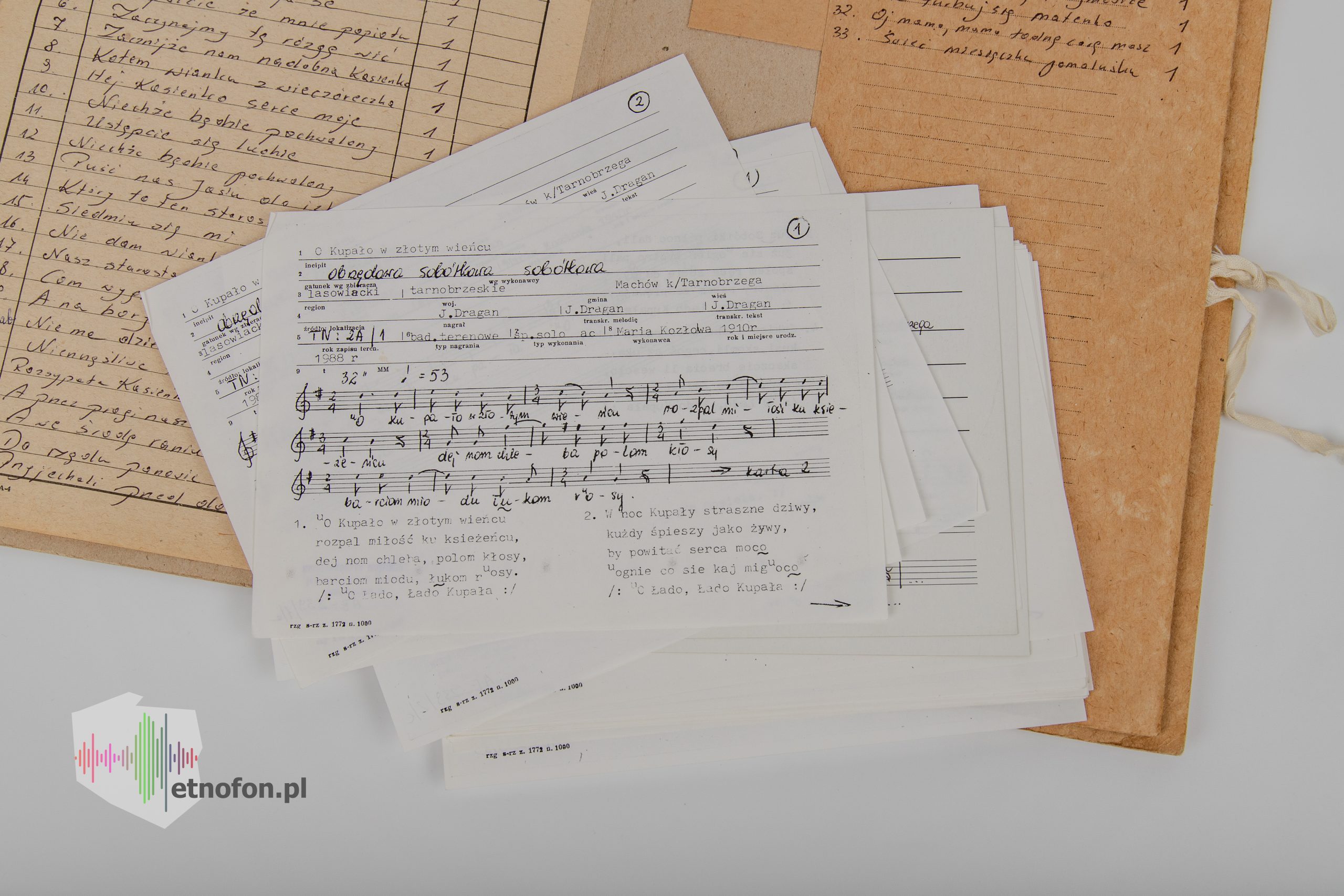
Eldest informers, whose voices has been recorded onto casette tapes were born in the 19th century in the 90s and at the beginning of the 20th century. Interviews mainly concern different forms of annual and family customs and rituals (weddings, funerals, Christmas, Easter, harvest end), as well as folk art, craft, construction, furnishing, cottage’s social life, ethnic relations, folk medicine, folk meteorology, magic and demonology. Interviews include different forms of folk oral literature: fairy tales, story tales, yarns, recited poems (including original works).
Records contain many examples of oral and music folklore, too. They can be found both in interviews as well as in separate carriers registering folk events such as: Christmas folk theatre Festivals in Kolbuszowa and each performers’ repertoires.
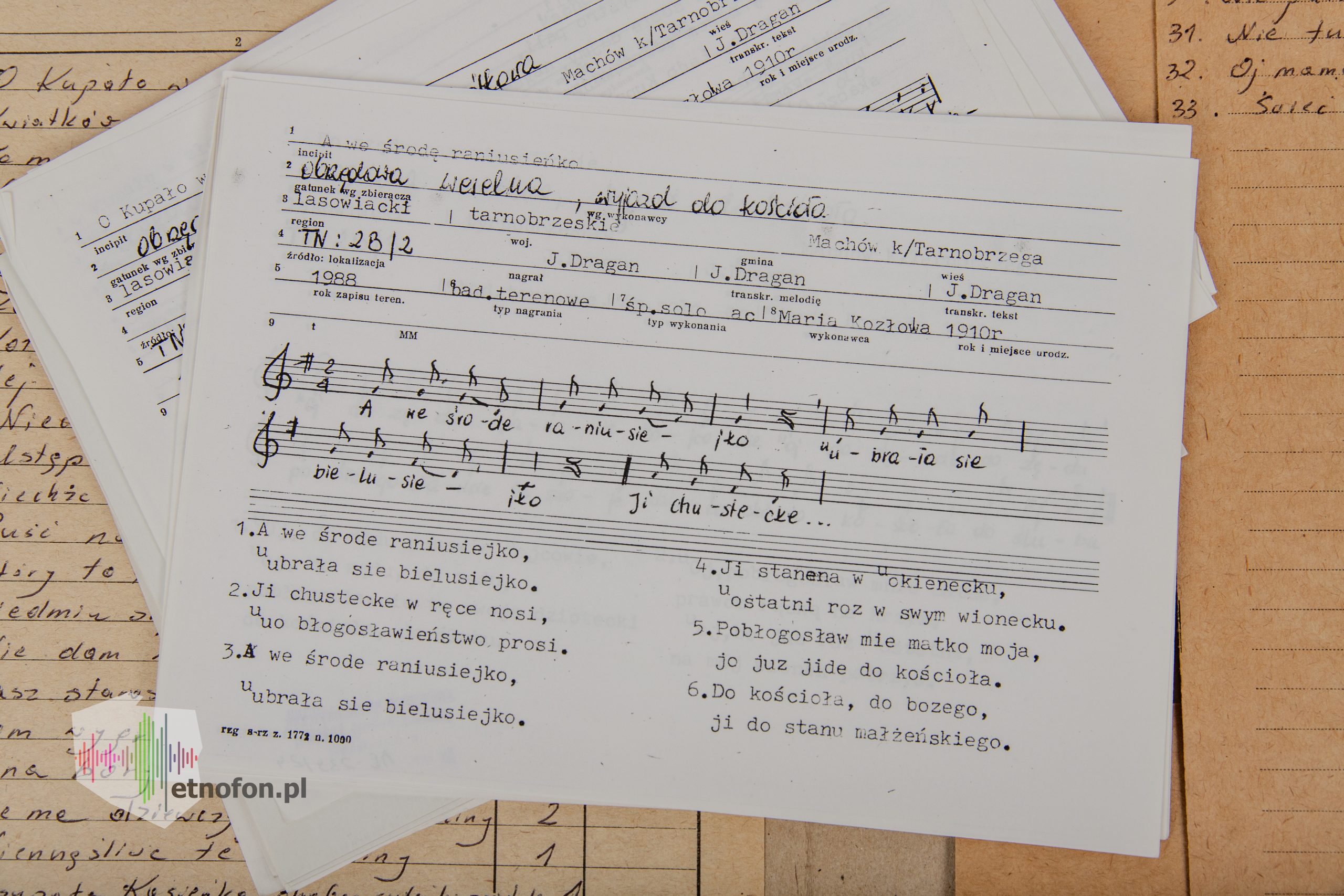
A very diverse body of songs of different types and topics has been recorded – ritual (i.e. carols and wishful carols), religious, ballads, war, recruit, love and frivolous songs. Some deserve particular attention, namely recordings of songs performed by Maria Kozłowa from Machów, with Anna and Stanisław Stępień from Korczowiska, and by a singing ensable from Majdan Królewski.
In the gathered material there are also recordings of instrumental music, i.e. performed by Władysław Pogoda’s ensamble and soloists, i.e. Stanisław Żarkowski.
The Archive of Videophonic Tapes (MKL-TV) is a closed collection that consists of 44 VHS tapes with c. 120 hours of audiovisual recordings, 70% of which is different displays of folklore: carol festivals (during which forms of carolling that were common around groups of Laskowian and Rzeszkowian areas had been presented, i.e. Herods, carol with a nativity scene, śmieciarze (garbage men), szczodraki (ceremonial bread), droby (ruffians), carol with a raj (symbol of tree of life), song and dance contests, and ritual performances (i.e. Christmas Eve, prządki [spinners), okrężne (kind of harvest).
Among the material there is i.e. a record of a visit in the last inhabited półdymna hut (semi-smoke; a hut with a way of getting rid of smoke different than through a chimney or roof openings) – in Krówka’s house in Giedlarowa.
On the VHS tapes there are also first editions of Presentations Laskowian’s and Rzeszowian’s Folk Authors – an event that had beome a staple of Folk Culture Museum in Kolbuszowa, with performances by folk creators, craftsmen, bands, song, dance and ritual ensambles from the northern part of then podkarpackie voivodeship. Local folk creators’ (coming from local toy making, pottery and wickery craftsmenship centres) work has also been documented.
The majority of records in the Archive of Videophonic Tapes was registered, in the 90s. They are valuable sources for everyone interested in the Laskowian and Rzeszowian gropus folklore.
Audio as well as video records are currently being collected in digital form. These are mainly field interviews and videos documenting selected phenomena of Laskowian and Rzeszowian groups folklore.