Tatra Museum in Zakopane
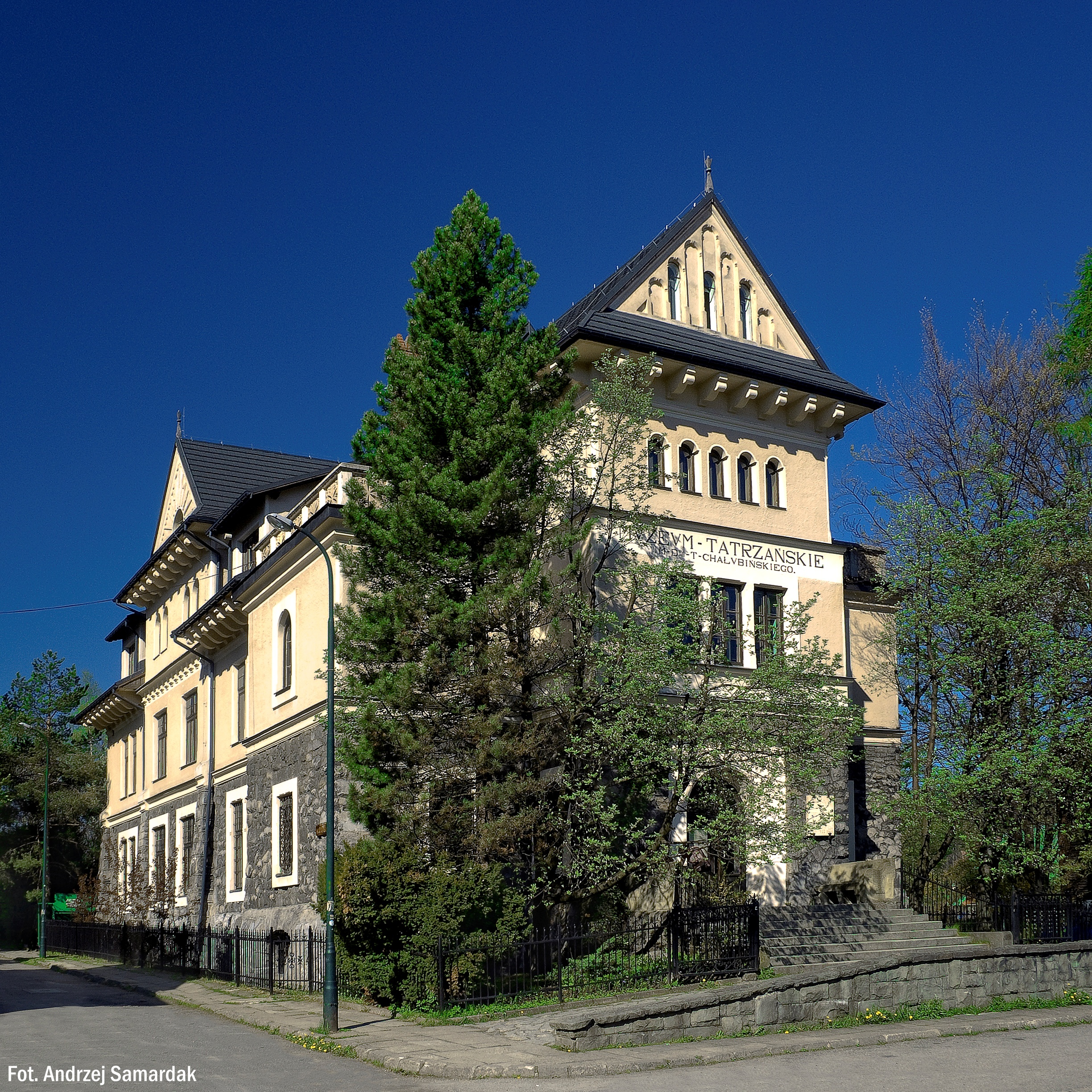
Muzeum Tatrzańskie im. Dra Tytusa Chałubińskiego w Zakopanem,
Krupówki 10, 34-500 Zakopane
www.muzeumtatrzanskie.pl
Dr Tytus Chałubiński’s Tatra Museum in Zakopane
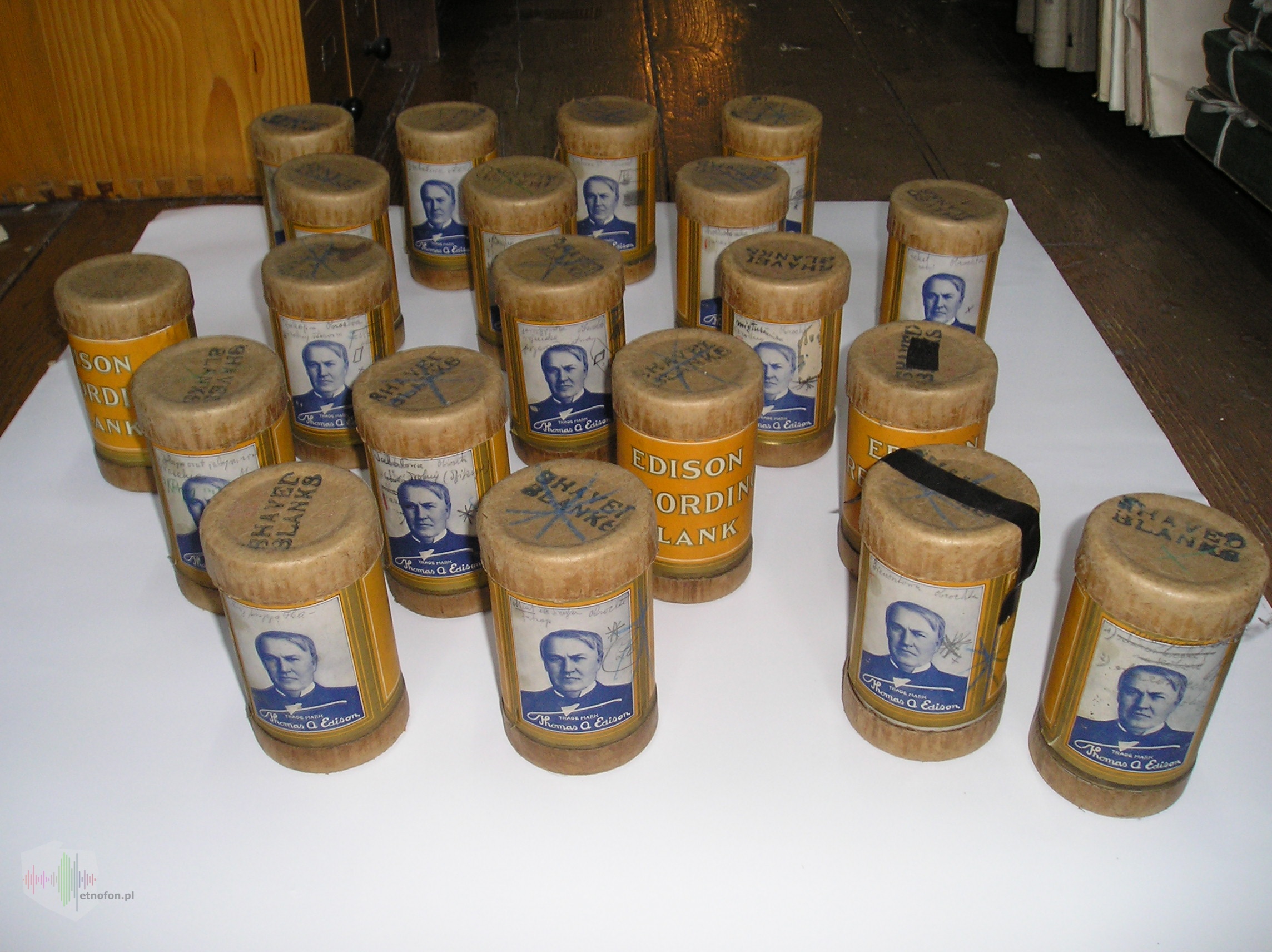
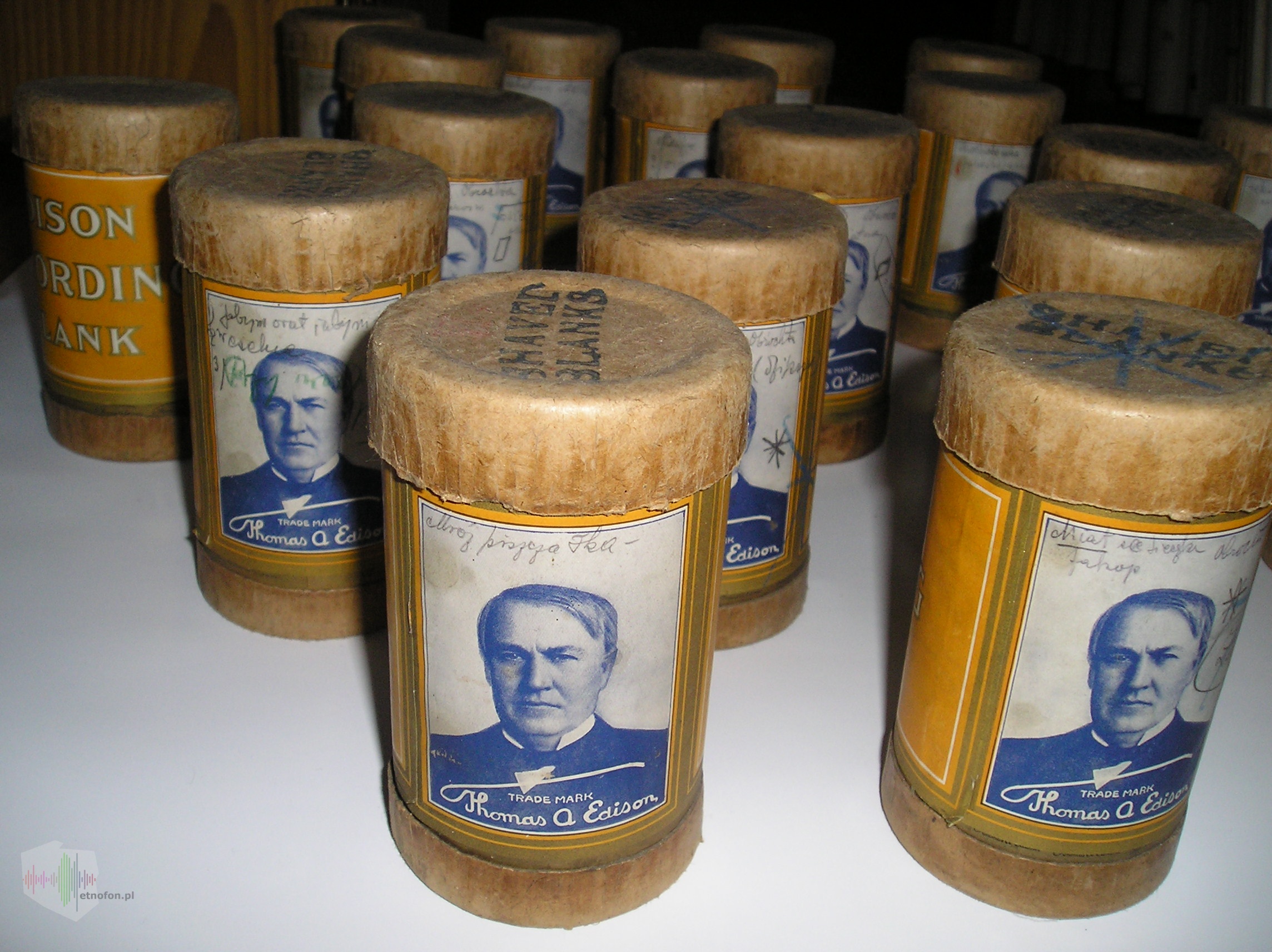
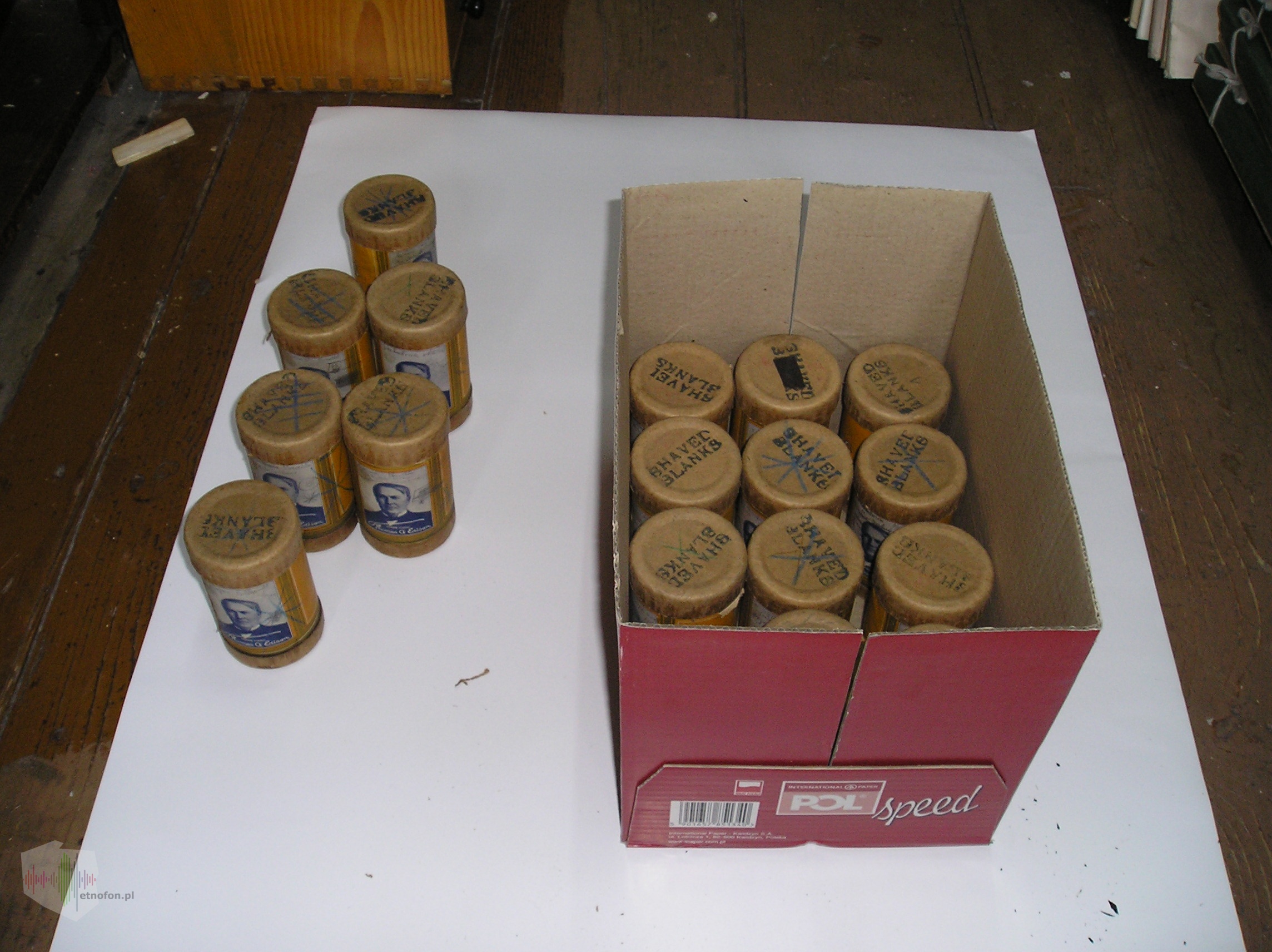
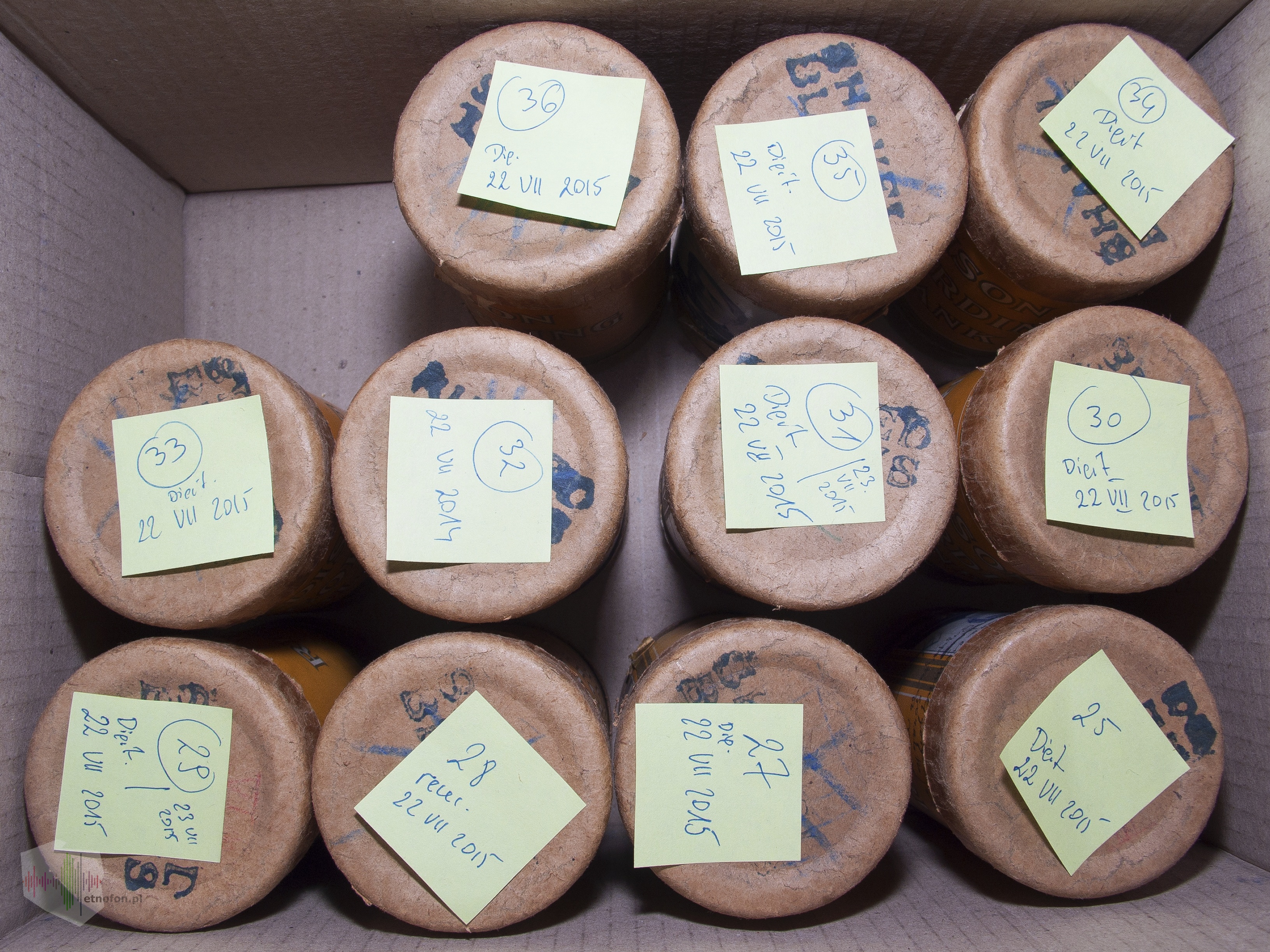
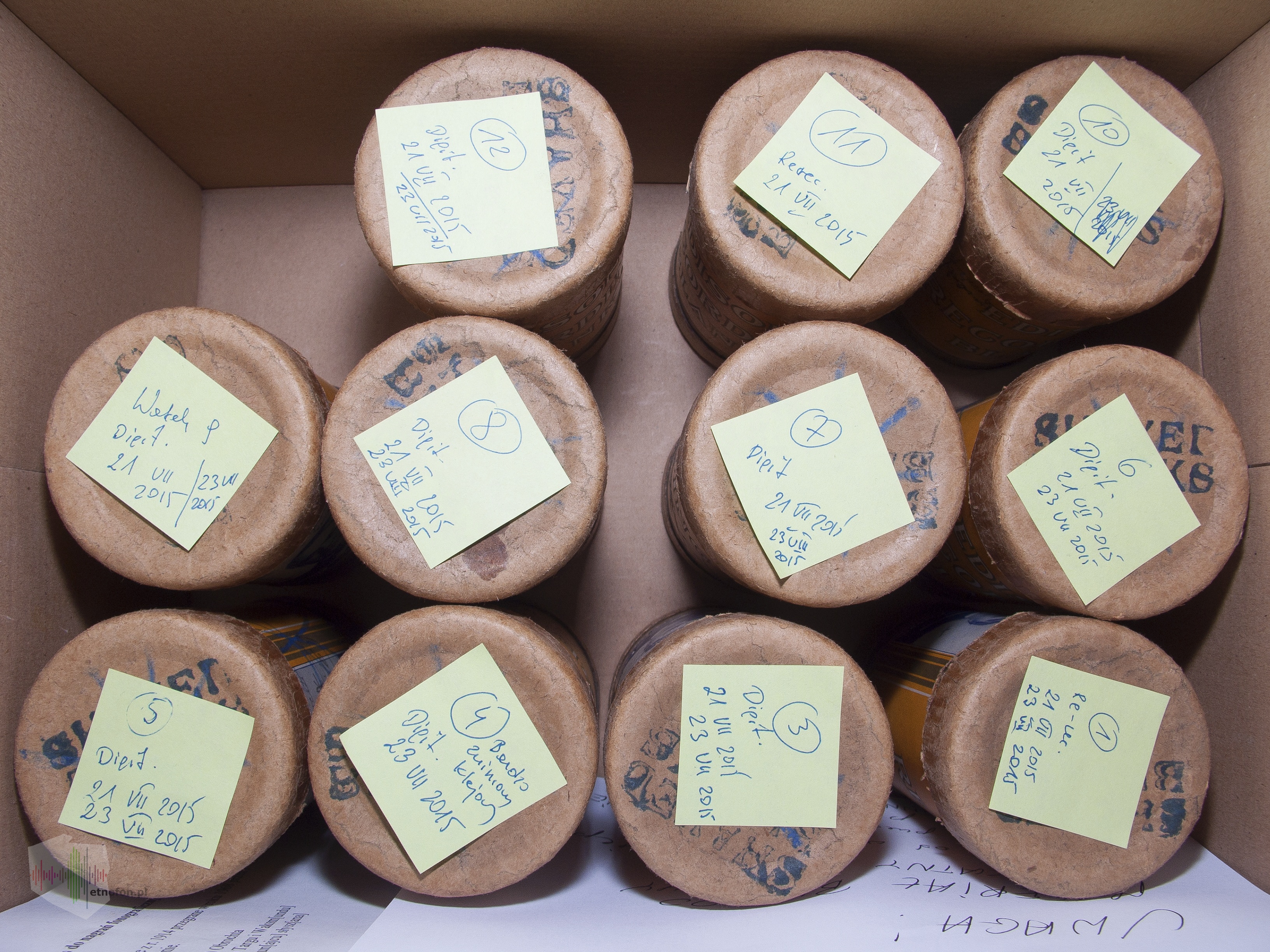
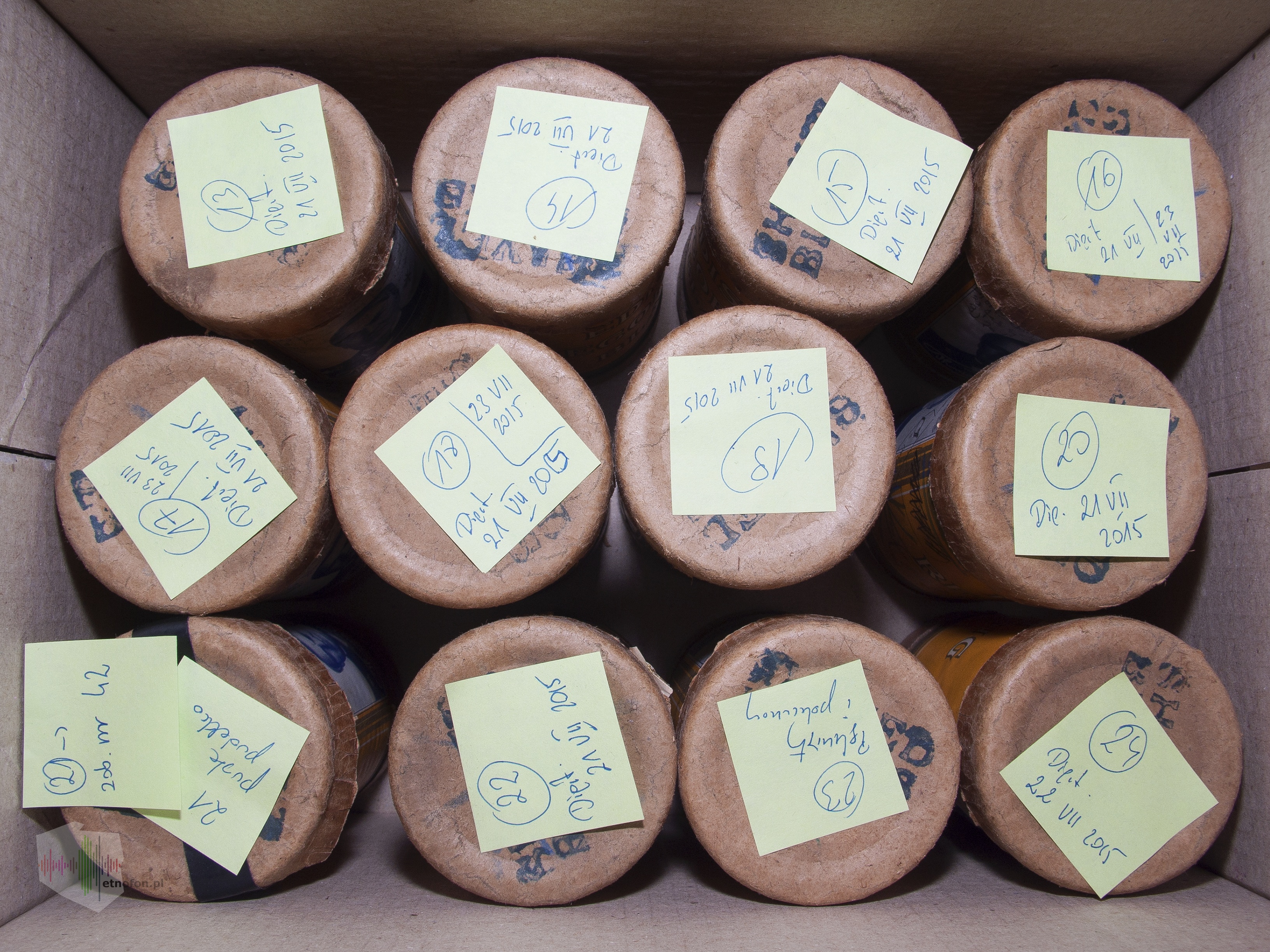
Tatra Museum’s tape collection is a particularly important part of a polish enthography’s history as it contains very rare phonogram recordings of traditional music made in Podhale and Małopolska right before the start of world war II. Juliusz Zborowski’s recordings saved on Edison wax cylinders in 1914, are the oldest items in the collection – very first in the Polish Phonographic Archive. The idea of this european-wide institution was born before the war. Zborowski, yet to become the Museum’s long-standing director, settled down in Podhale in 1913; he worked as a middle school teacher in Nowy Targ, simultanously studying the dialect and the material culture of Highlanders. He bought phonograph and cylinders in a German warehouse in northern Czech Republic with his own money and on instalments. „And so the phonograph began collecting highlander melodies, which the cylinders have been soon full of, on the frontline there has been the best of the best, God’s talent of the Podhale’s music, Bartuś Obrochta” – that’s how Zborowski remembered the first recording works. In 2009, dr Jacek Jackowski’s preliminary research in Museum resulted in finding Zborowski’s carriers. The first attempt to read the carriers had been a success which led to the colletion’s full digitilization in 2015 and publishing it as a CD. The collection consists of 48 wax cylinders, but we are not positive whether or not we have all the Zborowski’s work.
Documenting the Podhale dialect in order for later research was Zborowski’s main focus, but he also documented instrumental music, because of the large amount of empty tapes he had. He recorded the famous and favourite primist Bartłomiej Obrochta from Kościelisko or Stanisław Budza-Mroza from Poronin playing pipes and bagpipe (unfortunately, those recordings are unreadable). Zborowski has also recorded anonymous students of the secondary school in Nowy Targ singing. Although they were attending the school in town, they were fairly familiar with the local traditions as they were coming from the nearby villages. Zborowski has been looking for other performers among the people that had came to town for the market and he would have invited them to his flat in order to record them. That being said, in the collection there is a variety of materials, different repertoire and styles of performing. The work was halted when the war started. Some of it was transcribed by Alfred Chybiński in year 1920. Zborowski knew the songs perfectly, therefore there is a possibility that he recorded his own voice on one of the cylinders.The documentation of Tatra Museum within the Polish traditional music – phonographic heritage project has been digitalized and developed by Franz Lechleitner and Jacek Jackowski. The recordings have been published as a CD album “And so the phonograph began collecting highlander melodies …“ The first recordings of the traditional music of Podhale form the Tatra Museum’s and the PAN Institute of Art’s collections , played after over a hundred years and as a part of The Oldest Sound Documents of Polish Traditional Music.