
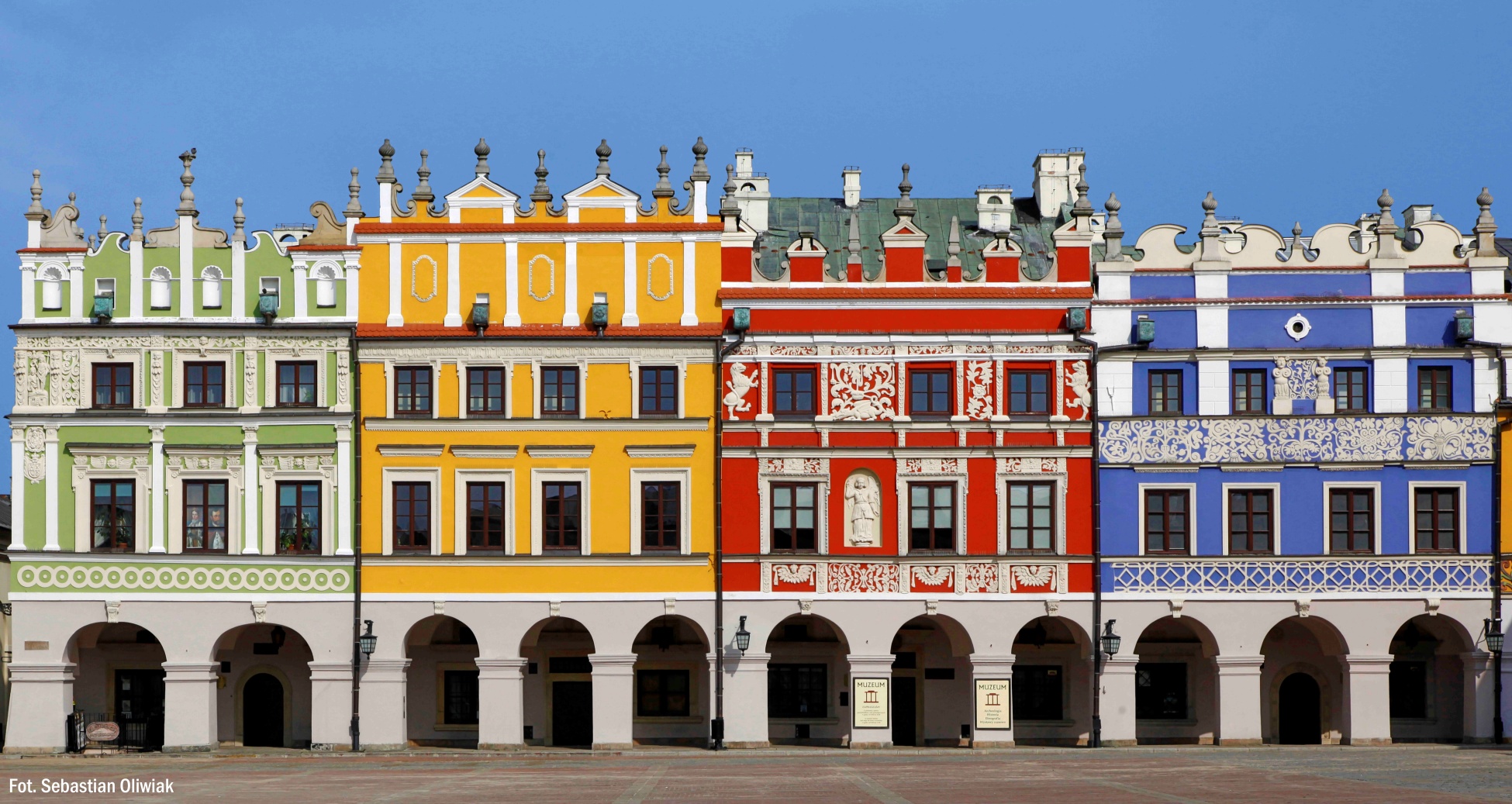
Zamość Museum’s collection
Muzeum Zamojskie w Zamościu
ul. Ormiańska 30, 22-400 Zamość
muzeum-zamojskie.pl
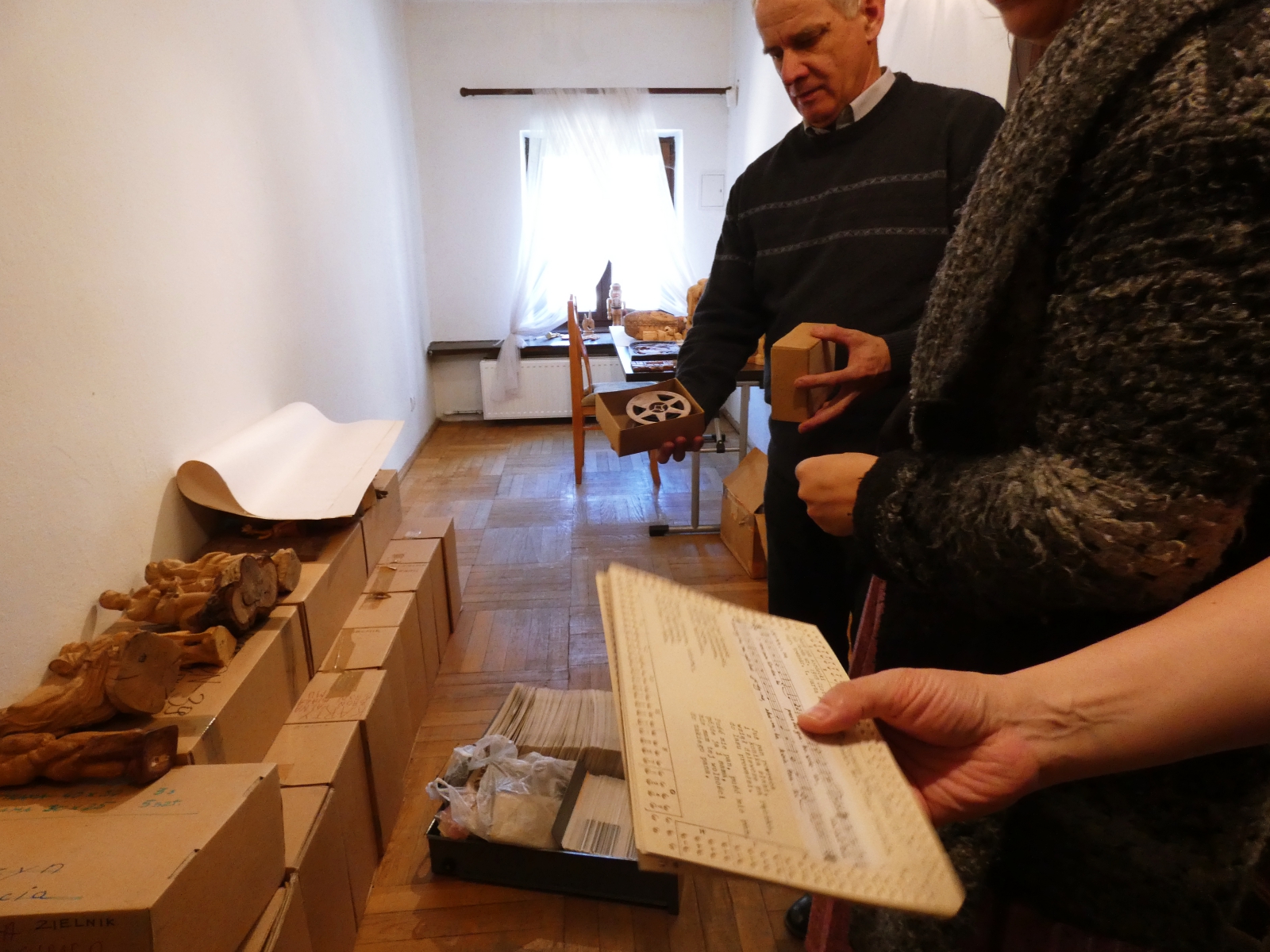
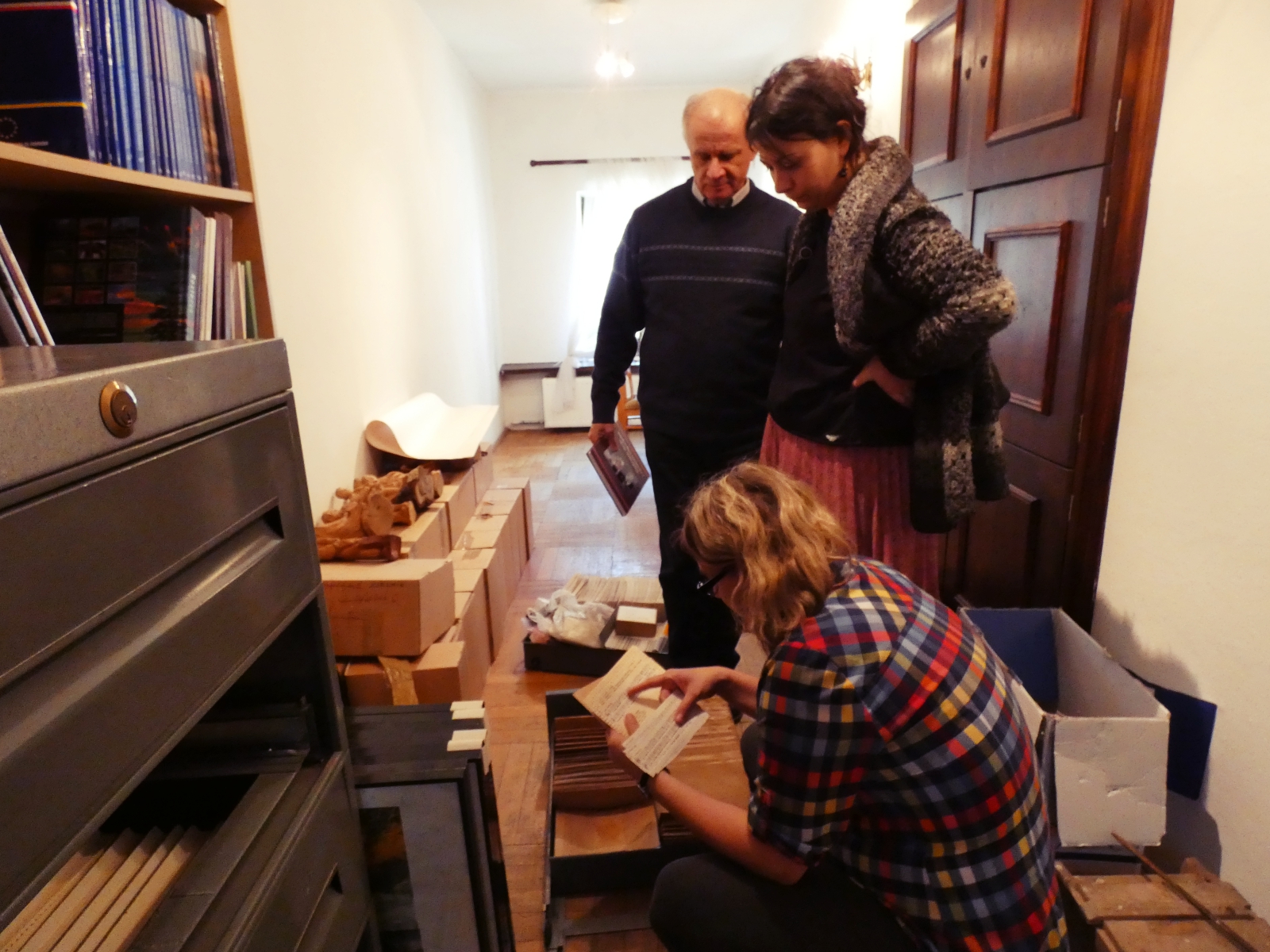
Museum’s set of recordings is a part of a larger collection, which is located in the archive of Pracownia Badań nad Folklorem (it has been a part of the museum from 1984 to 2005). The collection exists thanks to Marta Brzuskowska’s long, hard work on documenting the folklore the areas of Zamojskie voivodeship of that time.
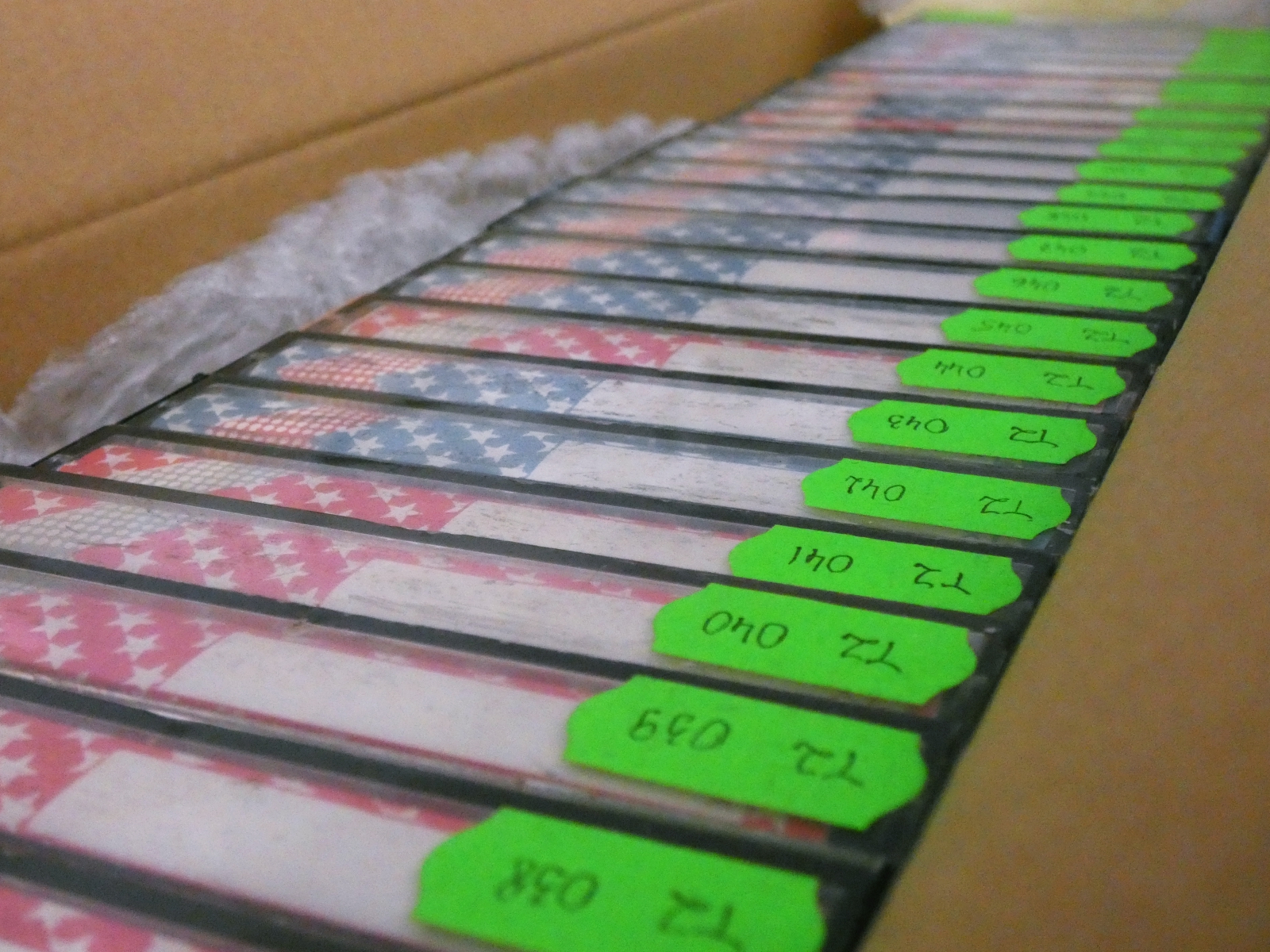
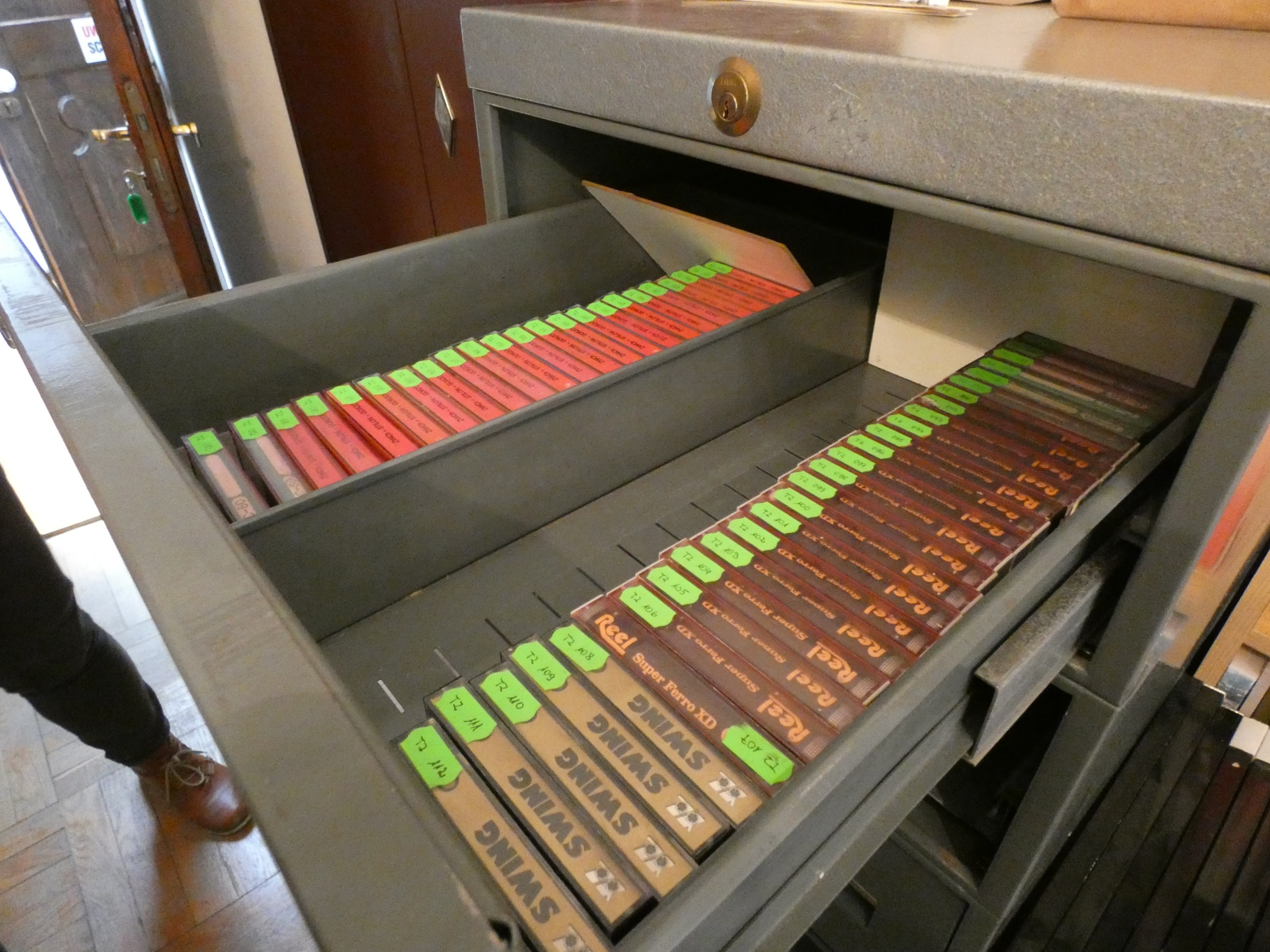
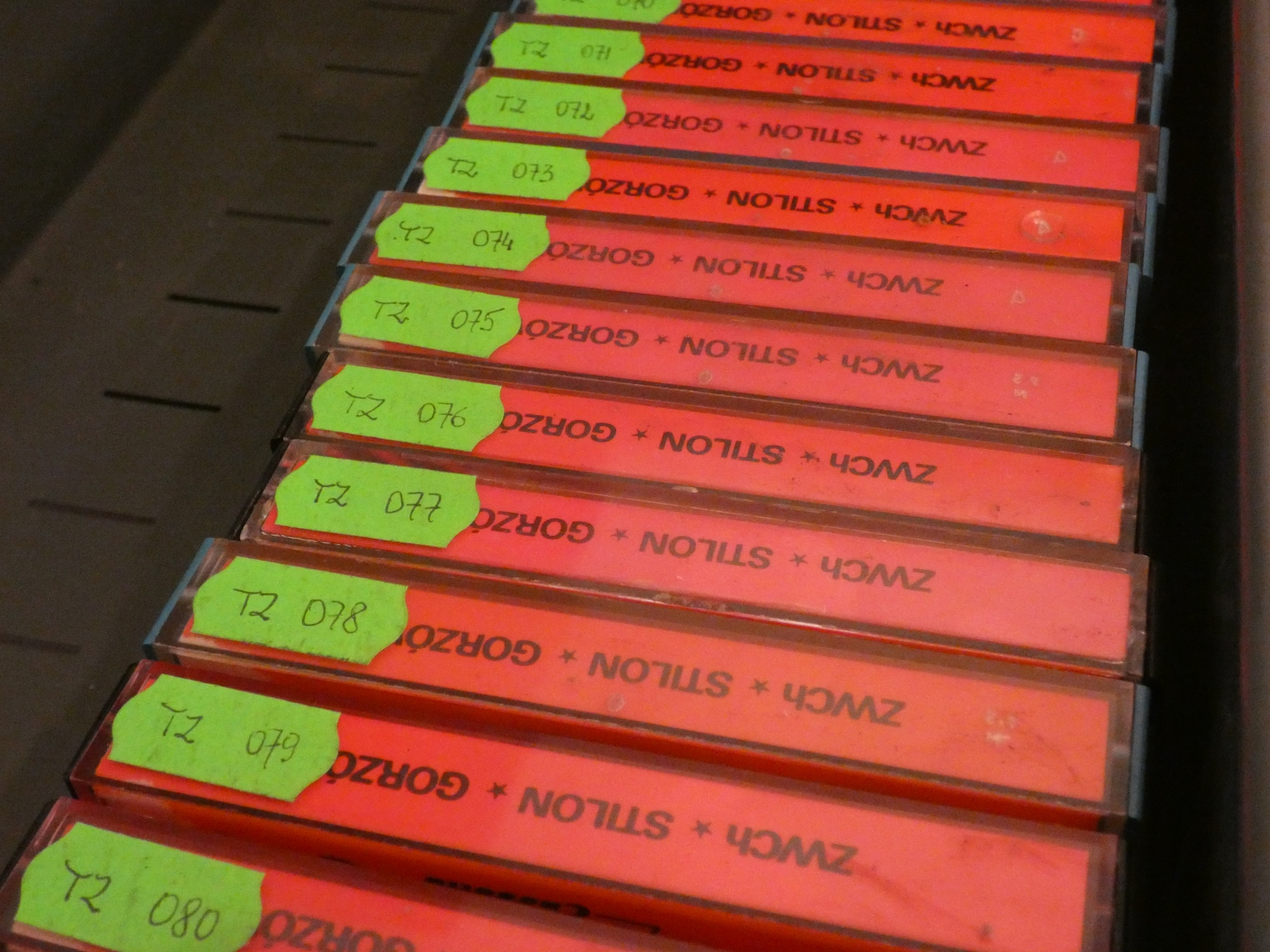
Sound library, created by Brzuskowska, includes 145 numbered casettes. Songs – popular (i.e. ballads, satirical, field songs) and ritual (wishing carols, religious songs) as well as new repertoire (war, patriotic or entertainment) – can be heard on the recordings. Tales, legends, proverbs and interviews, which have also been immortalized on the tapes, can tell us a lot about observances. Moreover, we can listen to ukrainian songs, in ruthenian or translated to polish, though there’s very few of them. Sadly, the material lacks instrumental music.
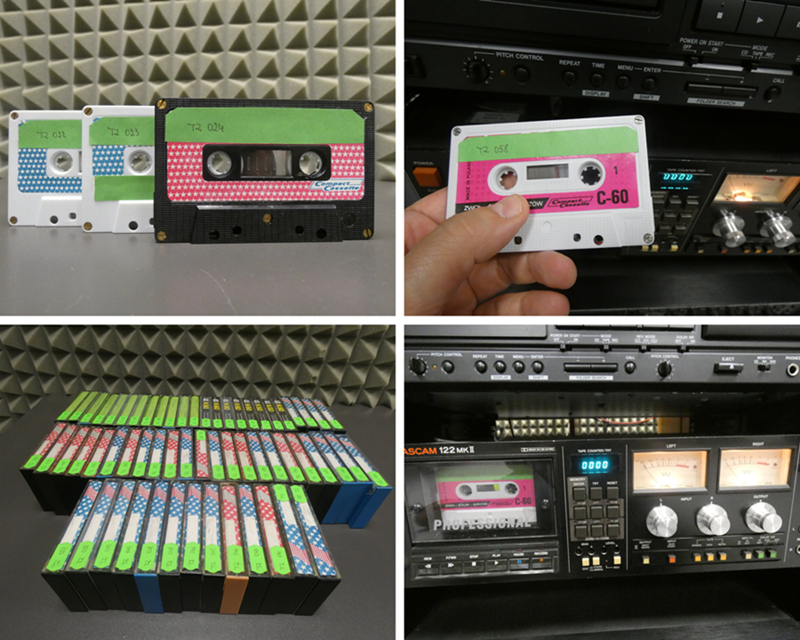
Nośniki z kolekcji nagrań Muzeum Zamojskiego. Warszawa 2019 r. Zbiory Fonograficzne IS PAN. Fot. Ewelina Grygier.
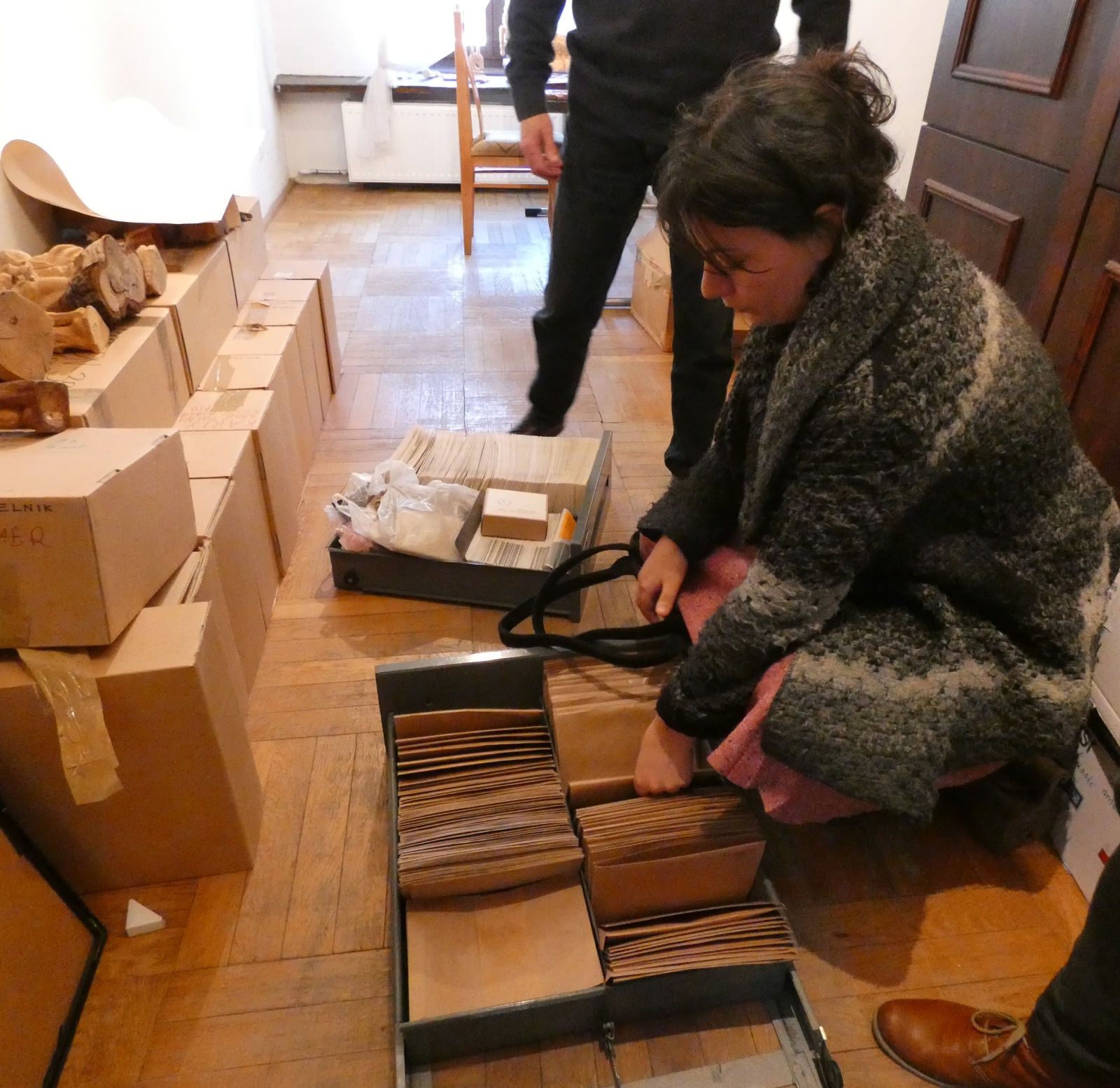
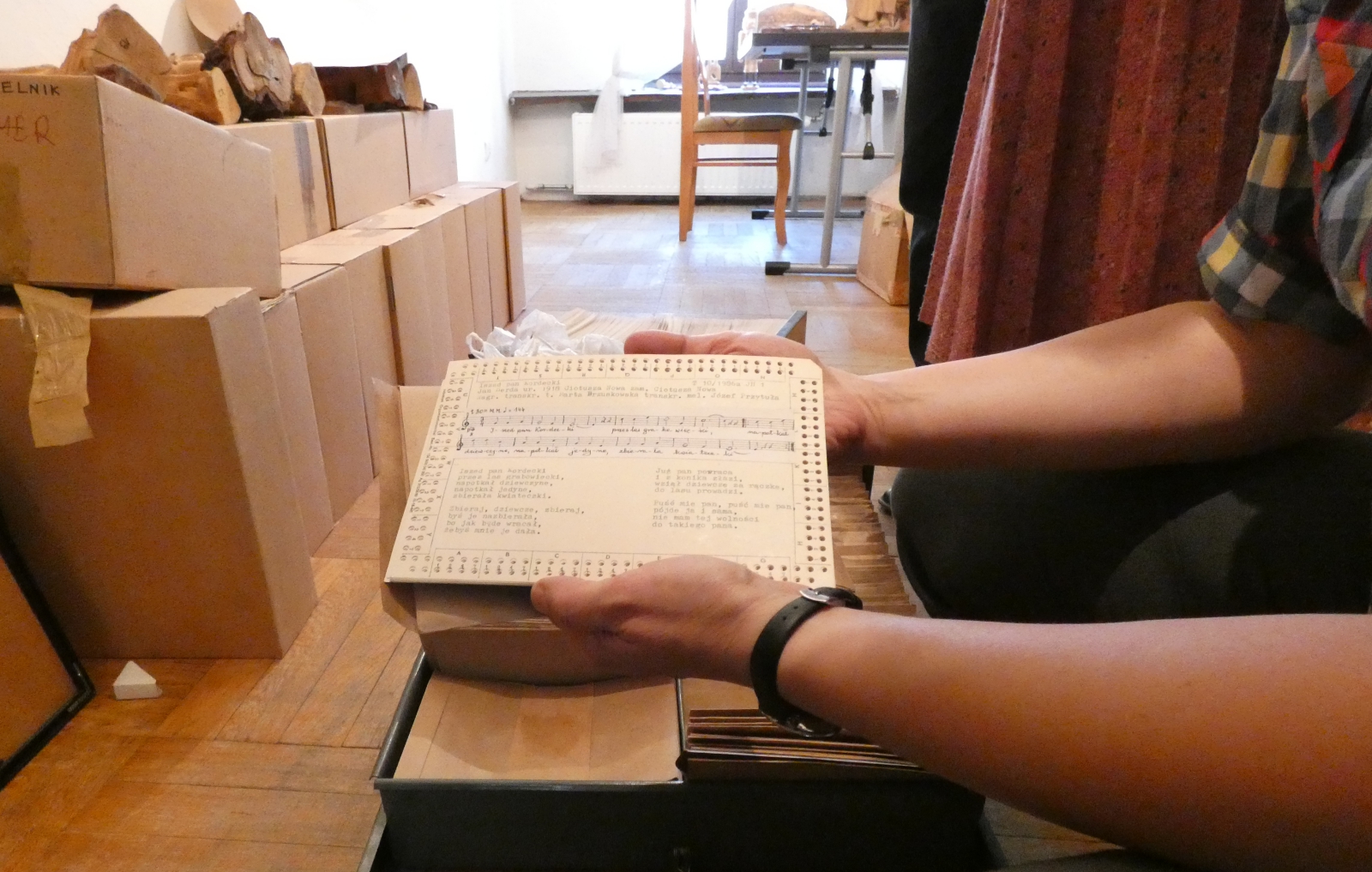
Apart from the recordings, there is a written documentation – a rich index as well as about 140 music and text transcript files. Particularly important for the archivists informations, such as names of the singers, their surnames, dates and places of birth, where and when the recordings were made and names of the people recording and transcribing. Most of the recording were made by Marta Brzuskowska, and Józef Przytuła (the conductor in the Karol Namysłowski’s Symphonic Orchestra in Zamość) made most of the transcriptions. In the ethnographic collection we can also find a list of recorded texts, both spoken and sung (a few thousand files).
The documentation of the recordings collection of the City Museum in Zamosć is being digitalized and described by Justyna Kusto and Magdalena Bill-Kunce and developed by Katarzyna Wińska and Grzegorz Madaliński within the Polish folk music – phonographic heritage project.
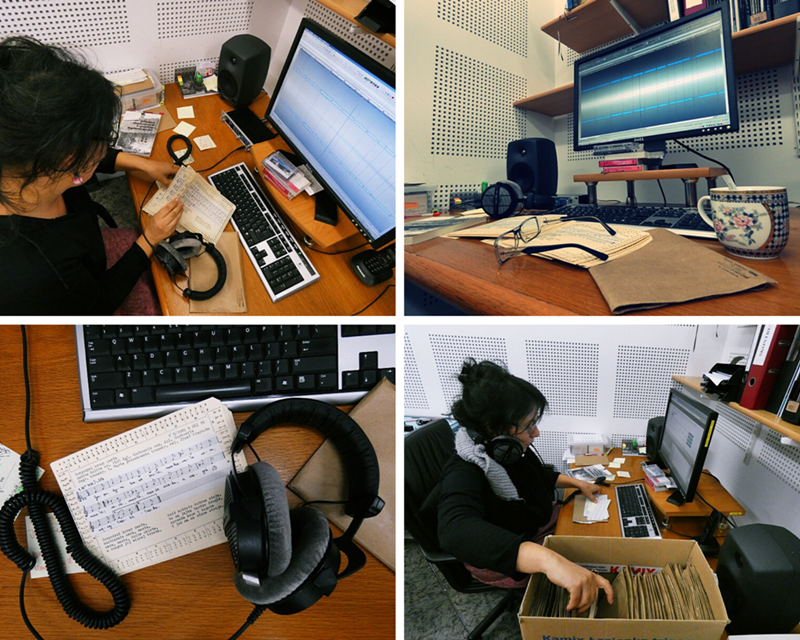
Katarzyna Wińska w trakcie opracowywania zdigitalizowanych nagrań. Warszawa 2019 r. Zbiory Fonograficzne IS PAN. Fot. Ewelina Grygier.


Zob. więcej:
Katarzyna Wińska, Archiwum pracowni badań nad folklorem muzeum zamojskiego. Spuścizna po Marcie Brzuskowskiej, w: Polska muzyka tradycyjna – dziedzictwo fonograficzne. Stan aktualny, zachowanie, udostępnianie, Instytut Sztuki Polskiej Akademii Nauk, Stowarzyszenie Liber Pro Arte, Warszawa 2019, s. 142-161.